


What is the overload capacity of a B current transformer?
As a supplier of B current transformers, I often encounter questions from customers about the overload capacity of these crucial electrical devices. Understanding the overload capacity of a B current transformer is essential for ensuring its proper operation and the safety of the entire electrical system. In this blog post, I will delve into the concept of overload capacity, its significance, and how it applies to B current transformers.
Understanding Overload Capacity
Overload capacity refers to the ability of a current transformer to handle currents that exceed its rated primary current for a specified period without suffering permanent damage or significant degradation in performance. In electrical systems, current levels can fluctuate due to various factors such as motor starting, short - circuits, or sudden changes in load. A current transformer must be able to withstand these temporary increases in current to accurately measure and protect the system.
The overload capacity of a current transformer is typically expressed in terms of a multiple of its rated primary current and a time duration. For example, a current transformer with an overload capacity of 20 times its rated primary current for 1 second means that it can handle a current 20 times larger than its rated value for a period of 1 second without experiencing unacceptable levels of error or damage.
Significance of Overload Capacity in B Current Transformers
B current transformers are widely used in electrical power systems for metering, protection, and control purposes. In metering applications, accurate measurement of current is crucial for billing and energy management. If a current transformer is unable to handle overloads, it may produce inaccurate readings during periods of high current, leading to incorrect billing and inefficient energy usage.
In protection applications, B current transformers play a vital role in detecting faults and initiating protective actions. During a short - circuit or other fault conditions, the current in the system can increase significantly. A current transformer with sufficient overload capacity can accurately sense these high currents and provide the necessary signals to protective relays, which then trip the circuit breakers to isolate the faulty section of the system.
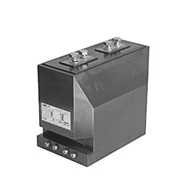

Factors Affecting the Overload Capacity of B Current Transformers
Several factors influence the overload capacity of B current transformers:
-
Core Material: The type of core material used in the current transformer has a significant impact on its overload capacity. High - quality magnetic materials, such as silicon steel, can withstand higher magnetic fluxes without saturating. Saturation occurs when the core of the current transformer reaches its maximum magnetic capacity, causing a loss of accuracy and potentially damaging the transformer.
-
Turns Ratio: The turns ratio of the current transformer, which is the ratio of the number of turns in the secondary winding to the number of turns in the primary winding, also affects its overload capacity. A current transformer with a lower turns ratio may be able to handle higher overload currents more effectively.
-
Thermal Design: The thermal design of the current transformer is crucial for its overload capacity. During overload conditions, the current transformer generates more heat due to the increased current. Adequate cooling mechanisms, such as proper ventilation and heat dissipation materials, are necessary to prevent overheating and damage to the transformer.
Overload Capacity of Specific B Current Transformers
Let's take a look at the overload capacity of some specific B current transformers in our product range.
The LA - 10Q Current Transformer is designed to handle moderate overloads. It has an overload capacity of 10 times its rated primary current for 2 seconds. This makes it suitable for applications where short - term overloads are expected, such as in industrial power systems with motor - driven equipment.
The LZZBJ9 - 10 B Current Transformer offers a higher overload capacity. It can withstand 20 times its rated primary current for 1 second. This makes it ideal for applications where high - magnitude short - circuit currents may occur, such as in power distribution substations.
In contrast, the LZZBJ9 - 10 C Current Transformer is designed with a focus on high - accuracy metering. While it has a relatively lower overload capacity compared to the B - type, it still provides reliable performance under normal operating conditions and can handle limited overloads.
Testing the Overload Capacity of B Current Transformers
To ensure the reliability and performance of B current transformers, they undergo rigorous testing to determine their overload capacity. These tests typically involve subjecting the current transformer to various levels of overload current for specified time intervals and measuring its performance parameters, such as accuracy, ratio error, and phase displacement.
During the testing process, the current transformer is monitored closely for any signs of overheating, insulation breakdown, or other damage. Only those current transformers that meet the specified overload capacity requirements are approved for use in electrical systems.
Selecting the Right B Current Transformer Based on Overload Capacity
When selecting a B current transformer for a specific application, it is crucial to consider the expected overload conditions. If the application involves frequent or high - magnitude overloads, a current transformer with a higher overload capacity should be chosen. On the other hand, if the system operates under relatively stable conditions with only occasional and minor overloads, a current transformer with a lower overload capacity may be sufficient.
It is also important to consult with a qualified electrical engineer or the manufacturer to ensure that the selected current transformer is compatible with the rest of the electrical system and meets all relevant standards and regulations.
Conclusion
The overload capacity of a B current transformer is a critical parameter that determines its ability to operate safely and accurately in electrical systems. By understanding the concept of overload capacity, its significance, and the factors that affect it, customers can make informed decisions when selecting a current transformer for their specific applications.
As a supplier of B current transformers, we are committed to providing high - quality products with reliable overload capacity. Our range of LA - 10Q Current Transformer, LZZBJ9 - 10 B Current Transformer, and LZZBJ9 - 10 C Current Transformer offers a variety of options to meet different customer needs.
If you are interested in learning more about our B current transformers or have specific requirements for your electrical system, we encourage you to contact us for a detailed discussion and to start the procurement process. Our team of experts is ready to assist you in finding the right solution for your project.
References
- Electrical Power Systems: Analysis and Design, Fourth Edition by J. Duncan Glover, M. S. Sarma, and Thomas J. Overbye.
- Handbook of Electrical Engineering by Terry Bartheld.
- Standards for Current Transformers, IEEE C57.13.