


A passive lightning counter is a crucial device in various industries, especially those highly sensitive to lightning strikes such as power systems, telecommunications, and aviation. As a supplier of passive lightning counters, I understand the importance of these devices in protecting infrastructure and ensuring safety. In this blog, I will discuss the key features that define a good passive lightning counter.
High Sensitivity
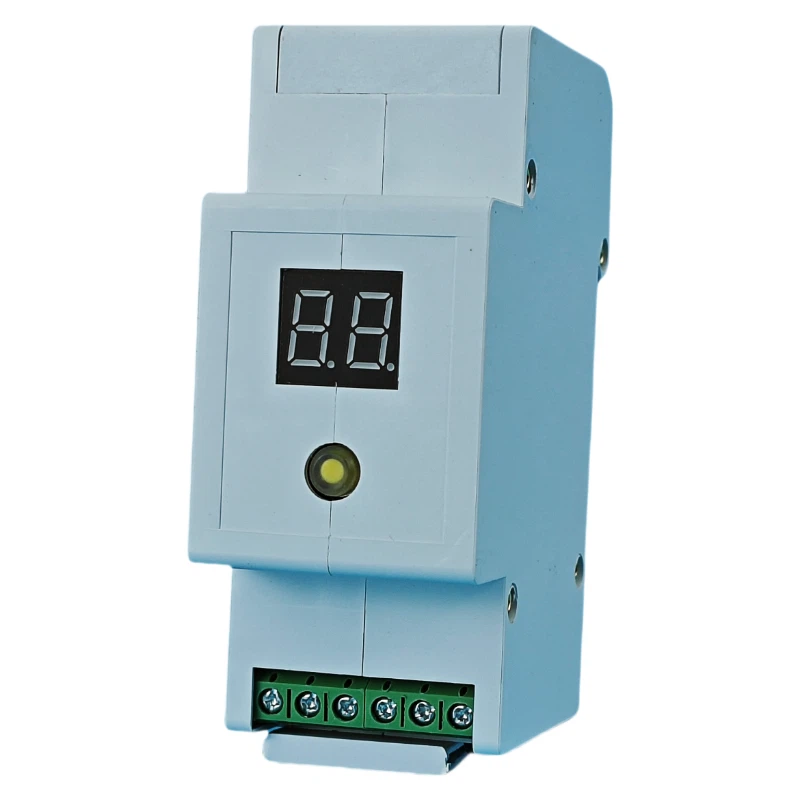
One of the most important features of a good passive lightning counter is high sensitivity. Lightning is a powerful and transient natural phenomenon, and a counter needs to be able to detect even the weakest lightning signals. High - sensitivity counters can accurately record lightning strikes, whether they are direct strikes or nearby indirect strikes. This is essential for obtaining a comprehensive record of lightning activity in a given area. For instance, in a power grid, even a nearby lightning strike can induce surges in the electrical lines, which may cause damage to the equipment over time. A high - sensitivity passive lightning counter can detect these events, allowing operators to take preventive measures. Our Passive Lightning Counter Module is designed with state - of - the - art sensors that offer extremely high sensitivity, ensuring that no lightning event goes undetected.
Wide Detection Range
A good passive lightning counter should have a wide detection range. Lightning can occur at various distances from the monitored location, and a counter with a limited detection range may miss some important strikes. A wide detection range enables the counter to cover a larger geographical area, providing a more complete picture of the lightning activity in the vicinity. In a large industrial complex or a large - scale power transmission network, a counter with a wide detection range can help managers understand the overall lightning situation and make informed decisions about safety protocols and maintenance schedules. Our product is capable of detecting lightning strikes within a considerable radius, offering a comprehensive monitoring solution for diverse applications.
Accuracy and Reliability
Accuracy and reliability are non - negotiable features for a passive lightning counter. The counts recorded by the device should be as accurate as possible, without false positives or false negatives. False positives can lead to unnecessary maintenance and intervention, while false negatives can result in undetected lightning - related risks. A reliable counter should be able to function accurately under various environmental conditions, including extreme temperatures, high humidity, and strong electromagnetic interference. This requires the use of high - quality components and advanced signal processing algorithms. Our passive lightning counter is built with robust materials and sophisticated technology, ensuring long - term accuracy and reliability in the harshest of environments.
Easy Installation and Maintenance
Another important feature of a good passive lightning counter is ease of installation and maintenance. In many cases, the counter needs to be installed in remote or hard - to - reach locations, such as on top of tall buildings, transmission towers, or in mountainous areas. A counter that is difficult to install can increase the cost and time of deployment. Similarly, easy maintenance is crucial to ensure the continuous operation of the device. Our passive lightning counter is designed with simplicity in mind. It can be easily installed with basic tools and comes with a user - friendly interface for configuration and maintenance. This allows for quick and cost - effective deployment and reduces the downtime associated with maintenance.
Data Storage and Management
A modern passive lightning counter should have adequate data storage and management capabilities. The counter needs to store the information about each lightning strike, including the time, date, and intensity of the strike. This data can be used for analysis and research purposes, such as studying lightning patterns over time, assessing the risk of lightning - related damage, and evaluating the effectiveness of lightning protection systems. Our passive lightning counter is equipped with sufficient memory to store a large amount of data. It also supports data transfer to external devices or systems, allowing for easy data management and analysis.
Compatibility with Other Systems
In many applications, the passive lightning counter needs to be integrated with other monitoring and control systems. For example, in a smart grid, the lightning counter data may need to be combined with other electrical parameters to provide a more comprehensive view of the grid's status. A good passive lightning counter should be compatible with a variety of communication protocols and interfaces, enabling seamless integration with other systems. Our product offers multiple communication options, such as Ethernet, RS - 485, and wireless communication, making it easy to integrate into existing infrastructure.
Durability
Lightning counters are often exposed to harsh environmental conditions, including extreme weather, strong winds, and UV radiation. A good passive lightning counter should be durable enough to withstand these conditions over a long period of time. This requires the use of high - quality materials and a robust design. Our passive lightning counter is constructed with corrosion - resistant materials and has a weather - proof enclosure, ensuring its longevity and reliability in the field.
Cost - effectiveness
Finally, cost - effectiveness is an important consideration for any product. A good passive lightning counter should offer a balance between performance and cost. It should provide high - quality features at a reasonable price, making it an attractive option for a wide range of customers. Our company is committed to providing cost - effective solutions. We optimize our manufacturing processes and source high - quality components at competitive prices, allowing us to offer our passive lightning counters at a price that represents excellent value for money.
If you are looking for a high - quality passive lightning counter with all the features mentioned above, we are the reliable supplier you can trust. Our products are designed to meet the diverse needs of different industries and applications. Whether you need to protect critical infrastructure, monitor lightning activity in a specific area, or conduct research on lightning patterns, our Passive Lightning Counter Module can provide the solution you need. Contact us to discuss your requirements and explore how our passive lightning counters can benefit your operations.
References
- Uman, M. A. (1987). Lightning. Orlando: Academic Press.
- Rakov, V. A., & Uman, M. A. (2003). Lightning: Physics and Effects. Cambridge: Cambridge University Press.
- IEEE Std 1410 - 2010 (R2015). IEEE Guide for Improving the Lightning Performance of Electric Power Overhead Distribution Lines.