


As a seasoned supplier of casting transformers, I've witnessed firsthand the intricate relationship between different load types and the performance of these vital electrical components. In this blog, I'll delve into the impact of various load types on casting transformers, sharing insights based on years of industry experience and technical knowledge.
Resistive Loads
Resistive loads are perhaps the most straightforward type of load when it comes to casting transformers. These loads, such as incandescent lamps, electric heaters, and resistive heating elements, convert electrical energy into heat. The current flowing through a resistive load is in phase with the voltage, meaning that the power factor is unity (PF = 1).
For casting transformers, resistive loads are generally the most favorable. Since the power factor is unity, the transformer operates at its maximum efficiency. There is minimal reactive power flow, which reduces the stress on the transformer windings and core. As a result, the transformer experiences less heating and can handle the load more effectively.
However, it's important to note that even with resistive loads, the transformer must still be sized appropriately. Overloading a transformer, even with a resistive load, can lead to excessive heating, which can damage the insulation and reduce the lifespan of the transformer.
Inductive Loads
Inductive loads, such as motors, transformers, and inductors, introduce a phase shift between the current and voltage. The current lags behind the voltage, resulting in a power factor less than unity (PF < 1). This phase shift causes the transformer to carry more current than would be required for a resistive load of the same power rating.
The presence of inductive loads can have several negative impacts on a casting transformer. Firstly, the increased current flow leads to higher copper losses in the transformer windings. These losses are proportional to the square of the current, so even a small increase in current can result in a significant increase in losses.

Secondly, the reactive power associated with inductive loads causes additional stress on the transformer core. The core must handle the magnetic flux generated by the reactive power, which can lead to increased core losses and heating. Over time, this can degrade the insulation and reduce the efficiency of the transformer.
To mitigate the impact of inductive loads, power factor correction techniques can be employed. Capacitors can be added to the electrical system to offset the reactive power and improve the power factor. By improving the power factor, the current flowing through the transformer can be reduced, which in turn reduces the copper losses and stress on the core.
Capacitive Loads
Capacitive loads, such as capacitor banks and some types of electronic equipment, also introduce a phase shift between the current and voltage. However, in this case, the current leads the voltage, resulting in a power factor less than unity (PF < 1). Similar to inductive loads, capacitive loads can cause additional stress on the transformer.
The leading current associated with capacitive loads can cause overvoltage conditions in the electrical system. This can lead to insulation breakdown and damage to the transformer and other electrical equipment. Additionally, the reactive power generated by capacitive loads can cause resonance in the electrical system, which can further exacerbate the overvoltage problem.
To manage the impact of capacitive loads, it's important to carefully size and install capacitor banks. The capacitance value should be selected based on the specific requirements of the electrical system to avoid overcompensation and resonance.
Non-Linear Loads
Non-linear loads, such as computers, variable frequency drives, and electronic ballasts, draw current in a non-sinusoidal manner. These loads introduce harmonics into the electrical system, which can have a significant impact on the performance of casting transformers.
Harmonics are multiples of the fundamental frequency (usually 50 or 60 Hz). The presence of harmonics can cause increased heating in the transformer windings and core. This is because the harmonics increase the effective current flowing through the transformer, which in turn increases the copper losses and core losses.
In addition to heating, harmonics can also cause vibration and noise in the transformer. The magnetic forces generated by the harmonics can cause the transformer core and windings to vibrate, which can lead to mechanical damage over time.
To address the impact of non-linear loads, special transformers designed to handle harmonics can be used. These transformers typically have larger conductor sizes and improved insulation to withstand the increased heating and stress caused by harmonics. Additionally, harmonic filters can be installed in the electrical system to reduce the level of harmonics.
Impact on Transformer Lifespan
The type of load a casting transformer is subjected to can have a significant impact on its lifespan. Resistive loads, with their unity power factor and minimal reactive power, generally have the least impact on the transformer's lifespan. Inductive, capacitive, and non-linear loads, on the other hand, can all contribute to premature aging and failure of the transformer.
Excessive heating caused by inductive, capacitive, or non-linear loads can degrade the insulation of the transformer windings. Over time, this can lead to insulation breakdown, which can cause short circuits and other electrical failures. Additionally, the mechanical stress caused by harmonics and vibration can also contribute to the degradation of the transformer.
To ensure the long-term reliability of a casting transformer, it's important to carefully consider the load types when selecting and sizing the transformer. Proper maintenance and monitoring can also help to detect and address any issues early on, which can extend the lifespan of the transformer.
Our Product Offerings
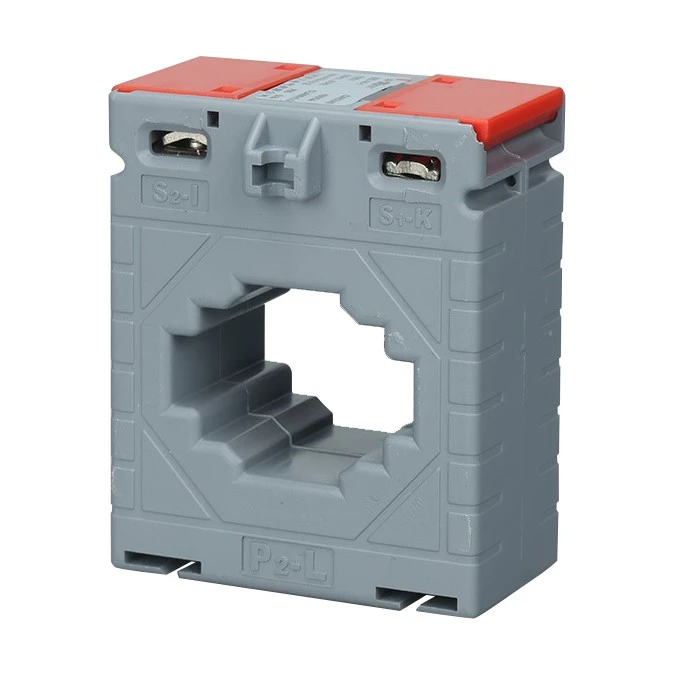
At our company, we offer a range of high-quality casting transformers designed to meet the diverse needs of different load types. Our RCT Series Current Transformer is a reliable choice for a variety of applications, providing accurate current measurement and protection. The XD2 Type Casting Transformer is specifically designed to handle high loads and is suitable for both resistive and inductive loads. For applications requiring precise current measurement, our CA Series Current Transformer offers excellent performance and reliability.
Conclusion
In conclusion, different load types can have a significant impact on the performance and lifespan of a casting transformer. Resistive loads are generally the most favorable, while inductive, capacitive, and non-linear loads can all introduce challenges that need to be addressed. By understanding the characteristics of different load types and taking appropriate measures to mitigate their impact, such as power factor correction and harmonic filtering, the reliability and efficiency of casting transformers can be improved.
If you're in the market for a casting transformer or have any questions about how different load types may affect your specific application, we'd be happy to help. Contact us today to discuss your requirements and explore our range of products. Our team of experts is ready to provide you with the best solutions for your electrical needs.
References
- Electrical Power Systems Quality, by Roger C. Dugan, Mark F. McGranaghan, and Surya Santoso
- Transformer Engineering: Design, Technology, and Diagnostics, by T. A. Lipo
- Handbook of Transformer Technology: Design, Build, and Test, by R. M. Del Vecchio