


When it comes to safeguarding structures from the potentially devastating effects of electrical surges, surge protectors play a crucial role. As a supplier of structure surge protectors, I often encounter questions about the typical size of these devices. In this blog post, I'll delve into the factors that influence the size of a structure surge protector and provide insights to help you understand what to expect.
Understanding the Basics of Surge Protectors
Before we discuss the size, it's essential to understand what a structure surge protector does. A surge protector is a device designed to protect electrical systems and equipment from voltage spikes, which can be caused by lightning strikes, power grid fluctuations, or the switching of large electrical loads. These voltage spikes can damage sensitive electronic components, disrupt operations, and even pose safety risks.
Surge protectors work by diverting excess voltage to the ground, preventing it from reaching the connected equipment. They typically consist of one or more metal oxide varistors (MOVs), gas discharge tubes (GDTs), or other surge suppression components, along with a housing and connection terminals.
Factors Affecting the Size of a Structure Surge Protector
The size of a structure surge protector can vary significantly depending on several factors:
1. Rating and Capacity
One of the primary factors influencing the size of a surge protector is its rating and capacity. The rating of a surge protector is typically measured in amperes (A) or kilowatts (kW) and indicates the maximum amount of current or power it can handle during a surge. Higher-rated surge protectors generally have larger components to dissipate the excess energy safely.
For example, a CHT1-A50 4P 10/350US Surge Protection Device is designed to handle high-energy surges with a specific impulse current rating. The larger the rating, the more robust the internal components need to be, which often results in a larger physical size.

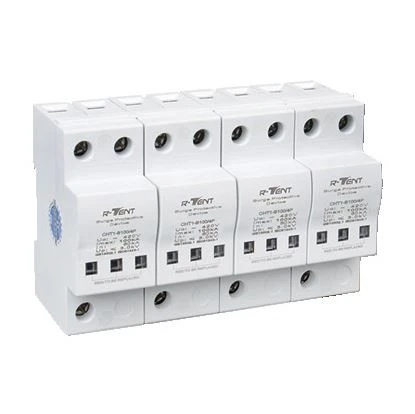
2. Number of Phases
The number of phases in an electrical system also affects the size of the surge protector. In a single-phase system, a surge protector may be relatively compact, as it only needs to protect one phase and the neutral. However, in a three-phase system, a surge protector must be able to protect all three phases and the neutral, which requires additional components and a larger housing.
For instance, the CHT1-4 Series Surge Protector (German DEHN Structure) is designed for three-phase systems and is likely to be larger than a single-phase surge protector due to the increased number of protection circuits.
3. Protection Level
The level of protection required for a particular application can also impact the size of the surge protector. Different applications may have different sensitivity levels to voltage spikes, and the surge protector must be designed to meet these requirements.
For example, in a critical data center or industrial facility, a higher level of protection may be necessary to safeguard sensitive equipment. This may require a surge protector with multiple stages of protection and larger, more advanced components, resulting in a larger size.
4. Mounting and Installation Requirements
The mounting and installation requirements of a surge protector can also influence its size. Some surge protectors are designed for panel-mounted installation, while others are suitable for wall-mounted or floor-mounted applications. Panel-mounted surge protectors are typically more compact and designed to fit into standard electrical panels, while wall-mounted or floor-mounted units may be larger to accommodate the necessary mounting hardware and wiring.
Typical Sizes of Structure Surge Protectors
The size of a structure surge protector can range from small, plug-in units to large, industrial-grade devices. Here are some general guidelines for the typical sizes of different types of surge protectors:
1. Residential Surge Protectors
Residential surge protectors are typically small and compact, designed to protect individual appliances or small electrical systems. These may include plug-in surge protectors that can be inserted into a wall outlet or whole-house surge protectors that are installed at the main electrical panel.
Plug-in surge protectors are usually about the size of a standard power strip and can range from a few inches to a foot in length. Whole-house surge protectors are larger and may be about the size of a small electrical panel, typically measuring around 6 to 12 inches in height and width.
2. Commercial and Industrial Surge Protectors
Commercial and industrial surge protectors are generally larger and more robust than residential units, as they need to protect larger electrical systems and equipment. These may include panel-mounted surge protectors for commercial buildings, industrial-grade surge protectors for factories and manufacturing plants, and high-voltage surge protectors for power distribution systems.
Panel-mounted surge protectors for commercial buildings can range from a few inches to several feet in height and width, depending on the number of phases and the rating of the device. Industrial-grade surge protectors may be even larger, with some units measuring several feet in length and width and weighing hundreds of pounds.
3. Specialized Surge Protectors
Specialized surge protectors, such as those designed for telecommunications, data centers, or renewable energy systems, may have unique size requirements based on the specific application. For example, surge protectors for telecommunications systems may need to be small and lightweight to fit into compact equipment racks, while surge protectors for data centers may need to be large and powerful to protect sensitive servers and networking equipment.
Choosing the Right Size Surge Protector
When choosing a structure surge protector, it's important to consider the specific requirements of your application. Here are some tips to help you select the right size surge protector:
1. Determine the Rating and Capacity
The first step is to determine the rating and capacity of the surge protector you need. This will depend on the size and type of the electrical system you are protecting, as well as the level of protection required. Consult with a qualified electrician or electrical engineer to determine the appropriate rating and capacity for your application.
2. Consider the Number of Phases
If you are protecting a three-phase electrical system, make sure to choose a surge protector that is designed for three-phase applications. This will ensure that all phases are protected and that the surge protector can handle the higher current and power levels associated with three-phase systems.
3. Evaluate the Protection Level
Consider the level of protection required for your application. If you are protecting sensitive equipment or critical systems, you may need a surge protector with multiple stages of protection and a higher level of performance. Look for surge protectors that meet industry standards and have been tested and certified for the specific application.
4. Factor in Mounting and Installation Requirements
Make sure to consider the mounting and installation requirements of the surge protector. If you are installing the surge protector in a panel, choose a unit that is designed to fit into the available space and has the appropriate mounting hardware. If you are mounting the surge protector on a wall or floor, make sure it is suitable for the intended location and can be easily installed.
Conclusion
The size of a structure surge protector can vary depending on several factors, including the rating and capacity, the number of phases, the protection level, and the mounting and installation requirements. As a supplier of structure surge protectors, we offer a wide range of products to meet the diverse needs of our customers. Whether you need a small, residential surge protector or a large, industrial-grade device, we can help you find the right solution for your application.
If you have any questions or need assistance in choosing the right surge protector for your needs, please feel free to contact us. Our team of experts is available to provide you with detailed information and guidance to ensure that you make an informed decision. We look forward to working with you to protect your electrical systems and equipment from the damaging effects of electrical surges.
References
- IEEE C62.41.2-2002, “IEEE Recommended Practice on Characterization of Surges in Low-Voltage (1000 V and Less) AC Power Circuits”
- UL 1449, “Standard for Surge Protective Devices”
- IEC 61643-11, “Low-voltage surge protective devices - Part 11: Surge protective devices connected to low-voltage power systems - Requirements and test methods”