


What is the Rated Output of a Current Transformer?
As a seasoned supplier of current transformers, I've witnessed firsthand the critical role these devices play in electrical systems. One of the most frequently asked questions by our clients is about the rated output of a current transformer. In this blog post, I'll delve into the concept of rated output, its significance, and how it impacts the performance of current transformers.
Understanding the Basics of Current Transformers
Before we dive into the rated output, let's briefly review what a current transformer is. A current transformer (CT) is a type of instrument transformer that is designed to measure electrical current in a circuit. It works by stepping down the high current in the primary circuit to a lower, measurable current in the secondary circuit. This lower current is then used by meters, relays, and other devices for measurement, protection, and control purposes.
The primary winding of a current transformer is connected in series with the circuit carrying the current to be measured, while the secondary winding is connected to the measuring or protective device. The ratio of the primary current to the secondary current is known as the turns ratio, which is determined by the number of turns in the primary and secondary windings.
What is the Rated Output of a Current Transformer?
The rated output of a current transformer refers to the maximum burden (load) that the transformer can supply to the secondary circuit while maintaining its specified accuracy. It is typically expressed in volt - amperes (VA) at a specific power factor (usually 0.8 lagging). The rated output is an important parameter because it determines the type and size of the measuring or protective devices that can be connected to the secondary circuit of the current transformer.
When the burden on the secondary circuit exceeds the rated output of the current transformer, the accuracy of the transformer will be affected. The transformer may become saturated, leading to inaccurate current measurements and potentially compromising the performance of the protection and control systems. Therefore, it is crucial to select a current transformer with a rated output that is appropriate for the burden of the secondary circuit.
Factors Affecting the Rated Output
Several factors can affect the rated output of a current transformer:
- Core Material: The type of core material used in the current transformer has a significant impact on its rated output. High - quality core materials, such as silicon steel or amorphous metal, can provide better magnetic properties, allowing the transformer to handle higher burdens without saturation.
- Number of Turns: The number of turns in the primary and secondary windings also affects the rated output. A higher number of turns in the secondary winding can increase the output voltage and, therefore, the rated output of the transformer.
- Cross - sectional Area of the Windings: The cross - sectional area of the primary and secondary windings determines the amount of current that can flow through them. A larger cross - sectional area allows for higher current - carrying capacity, which can increase the rated output of the transformer.
- Temperature: Temperature can have a significant impact on the performance of a current transformer. As the temperature increases, the resistance of the windings increases, which can reduce the output voltage and the rated output of the transformer.
Importance of Selecting the Right Rated Output
Selecting the right rated output for a current transformer is crucial for several reasons:
- Accuracy: A current transformer with an appropriate rated output ensures accurate current measurement. If the burden on the secondary circuit is too high, the transformer may saturate, leading to inaccurate readings. On the other hand, if the burden is too low, the transformer may not operate at its optimal performance, also affecting the accuracy of the measurements.
- Protection and Control: In electrical power systems, current transformers are used for protection and control purposes. A current transformer with the correct rated output is essential for the proper operation of protective relays and other control devices. Incorrect rated output can lead to false tripping or failure to trip in the event of a fault, which can have serious consequences for the safety and reliability of the power system.
- Cost - effectiveness: Selecting a current transformer with the right rated output can also be cost - effective. Using a transformer with a rated output that is much higher than required can result in unnecessary costs, while using a transformer with a rated output that is too low can lead to performance issues and potential equipment damage.
Our Current Transformer Offerings
As a leading supplier of current transformers, we offer a wide range of products with different rated outputs to meet the diverse needs of our customers. Our DP Split Current Transformer is a popular choice for applications where easy installation and flexibility are required. It is designed to provide accurate current measurement with a suitable rated output for a variety of secondary burdens.
The CHK - 0.66/K Split Current Transformer is another excellent option. It is known for its high accuracy and reliability, making it ideal for critical applications in power distribution systems.

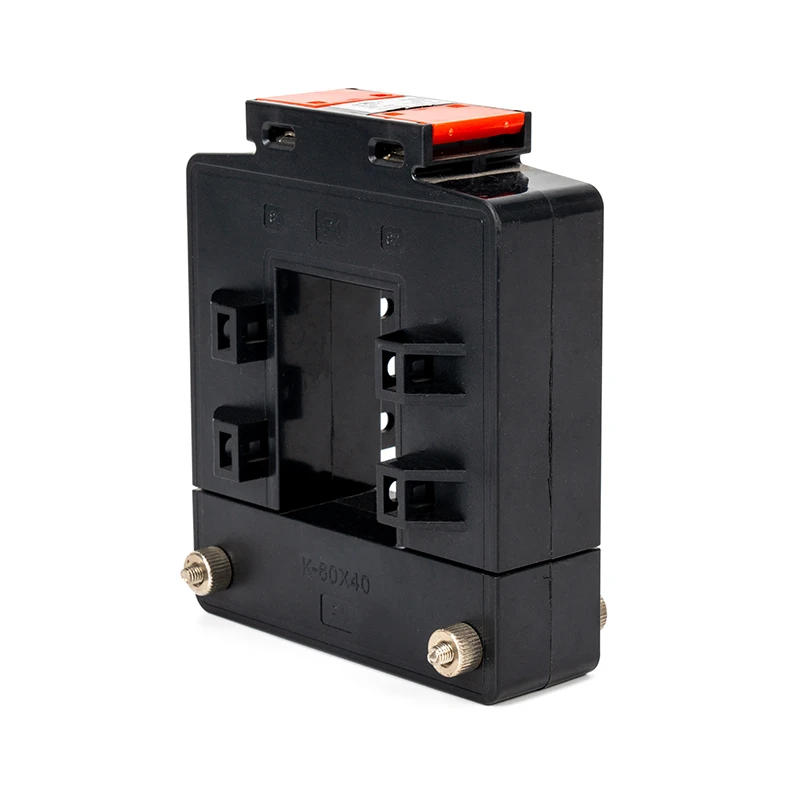
Our NEW DP Current Transformers are designed with the latest technology and high - quality materials, offering a wide range of rated outputs to accommodate different secondary circuit burdens. These transformers are suitable for various industries, including power generation, transmission, and distribution.
How to Determine the Appropriate Rated Output
To determine the appropriate rated output for a current transformer, you need to consider the following steps:
- Calculate the Burden: First, calculate the total burden of the secondary circuit. This includes the impedance of the measuring or protective devices, the connecting wires, and any other components in the secondary circuit.
- Consider the Accuracy Class: Different applications require different levels of accuracy. Higher accuracy classes typically require a current transformer with a higher rated output to maintain the specified accuracy under various operating conditions.
- Account for Future Expansion: When selecting a current transformer, it is also important to consider future expansion of the electrical system. If there is a possibility of adding more measuring or protective devices in the future, you may need to choose a current transformer with a higher rated output to accommodate the increased burden.
Contact Us for Your Current Transformer Needs
If you are in the market for a current transformer and need assistance in selecting the right product with the appropriate rated output, our team of experts is here to help. We have extensive experience in the field of current transformers and can provide you with professional advice and customized solutions. Whether you need a single current transformer for a small project or a large - scale supply for a power plant, we can meet your requirements.
Don't hesitate to reach out to us for more information or to start a procurement discussion. We look forward to working with you to ensure the reliable and accurate operation of your electrical systems.
References
- "Electrical Power Systems: Design and Analysis" by J. Duncan Glover, Mulukutla S. Sarma, and Thomas J. Overbye.
- "Instrument Transformers: Theory, Design, and Application" by R. A. Stout.
- Manufacturer's technical documentation on current transformers.