


As a supplier of 10 current transformers, I often encounter inquiries about the rated frequency of these essential electrical devices. In this blog post, I'll delve into the concept of rated frequency, its significance for 10 current transformers, and how it impacts their performance.
Understanding Rated Frequency
The rated frequency of a current transformer refers to the frequency at which the transformer is designed to operate optimally. In most power systems around the world, the standard rated frequencies are 50 Hz or 60 Hz. These frequencies are determined by the power generation and distribution infrastructure in different regions. For instance, countries like the United Kingdom, most of Europe, and many parts of Asia operate on a 50 Hz power grid, while the United States, Canada, and some other countries use a 60 Hz grid.
The rated frequency is a crucial parameter because it affects the magnetic properties of the core material used in the current transformer. At the rated frequency, the transformer can accurately transform the primary current to the secondary current with minimal errors. Deviations from the rated frequency can lead to changes in the magnetization characteristics of the core, resulting in inaccurate current measurements and potential performance issues.
Rated Frequency for 10 Current Transformers
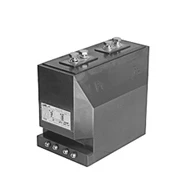
For 10 current transformers, which are commonly used in medium - voltage power systems (such as 10 kV systems), the rated frequency is typically either 50 Hz or 60 Hz, depending on the application and the power grid requirements. Our company offers a wide range of 10 current transformers designed to operate at these standard frequencies.
Let's take a closer look at some of our popular 10 current transformers and their rated frequencies:
- LZZBJ9 - 10 A Current Transformer: This type of current transformer is designed to operate at the rated frequency of either 50 Hz or 60 Hz, depending on the customer's needs. It is suitable for various applications in 10 kV power systems, such as metering, protection, and control. You can find more detailed information about this product here.
- LA - 10Q Current Transformer: Similar to the LZZBJ9 - 10 A, the LA - 10Q Current Transformer is also available in both 50 Hz and 60 Hz versions. It is known for its reliable performance and high accuracy in current measurement. To learn more about this product, visit this page.
- LZZBJ9 - 10 B Current Transformer: The LZZBJ9 - 10 B Current Transformer is another excellent option for 10 kV power systems. It is designed to work efficiently at the rated frequency of 50 Hz or 60 Hz. For additional details, please refer to this link.
Impact of Frequency Deviation on 10 Current Transformers
When a 10 current transformer operates at a frequency different from its rated frequency, several issues can arise:

- Magnetic Saturation: At frequencies lower than the rated frequency, the magnetic flux density in the core may increase, leading to magnetic saturation. When the core saturates, the transformer's ability to accurately transform the current is severely compromised, resulting in distorted secondary current waveforms and inaccurate measurements.
- Increased Losses: Frequency deviations can also cause an increase in core losses and copper losses. Higher losses not only reduce the efficiency of the transformer but also generate more heat, which can potentially damage the insulation and other components of the transformer over time.
- Phase Angle Error: The phase angle between the primary and secondary currents can change when the frequency deviates from the rated value. This phase angle error can affect the accuracy of power measurement and protection relay operation in the power system.
Ensuring Optimal Performance
To ensure the optimal performance of 10 current transformers, it is essential to select the appropriate rated frequency based on the power grid requirements. During the installation and commissioning process, it is crucial to verify that the transformer's rated frequency matches the actual operating frequency of the power system.
Regular maintenance and testing of the current transformers are also necessary to detect any potential issues related to frequency - dependent performance degradation. This includes measuring the accuracy of the current transformation, checking for signs of overheating, and inspecting the insulation for any damage.
Conclusion
The rated frequency is a critical parameter for 10 current transformers, as it directly affects their performance and accuracy. Our company, as a leading supplier of 10 current transformers, offers a comprehensive range of products designed to operate at the standard 50 Hz and 60 Hz frequencies. Whether you need a current transformer for metering, protection, or control applications in a 10 kV power system, we have the right solution for you.
If you are interested in purchasing 10 current transformers or have any questions about their rated frequency and performance, please feel free to contact us. Our team of experts is ready to assist you in selecting the most suitable products for your specific requirements and guide you through the procurement process.
References
- "Power System Protection" by M. A. Pai
- "Electrical Transformers and Rotating Machines" by P. S. Bimbhra