


Hey there! As a supplier of B current transformers, I often get asked about the rated current of these nifty devices. So, let's dive right in and break it down in a way that's easy to understand.
First off, what exactly is a B current transformer? Well, it's a type of instrument transformer that's used to measure electrical current in a circuit. It steps down the high current in a power system to a lower, more manageable level that can be safely measured by instruments like ammeters, wattmeters, and protective relays.
Now, the rated current of a B current transformer is a crucial parameter. It's basically the maximum current that the transformer is designed to handle continuously without exceeding its specified accuracy and temperature limits. Think of it as the sweet spot where the transformer performs at its best.
The rated current of a typical B current transformer can vary quite a bit depending on the application and the specific design of the transformer. In general, for low - voltage applications, the rated current might range from a few amperes to several hundred amperes. For example, in a small industrial control panel, you might find a B current transformer with a rated current of 5A or 10A. These are used to measure the relatively small currents flowing through control circuits and sensors.
On the other hand, in high - voltage power systems, the rated currents can be much larger. In a substation, B current transformers might have rated currents of several thousand amperes. These are used to measure the large currents flowing through transmission lines and power transformers.
Let's take a look at some of the factors that influence the rated current of a B current transformer. One of the main factors is the load it's going to be connected to. If the transformer is going to be used to measure the current in a high - power load, like a large motor or a power distribution system, it needs to have a higher rated current. This is because the load will draw a large amount of current, and the transformer needs to be able to handle that without saturating.
Another factor is the accuracy class of the transformer. Different accuracy classes are designed for different applications. For example, a transformer with a high accuracy class, like 0.2 or 0.5, is typically used for metering applications where precise current measurement is required. These transformers usually have a lower rated current compared to those with a lower accuracy class, like 1 or 3, which are often used for protection applications.
At our company, we offer a wide range of B current transformers to meet different needs. For instance, the LZZBJ9 - 10 B Current Transformer is a popular choice for 10kV high - voltage applications. It has a well - defined rated current that's suitable for many power distribution scenarios. This transformer is known for its reliability and accurate current measurement capabilities.

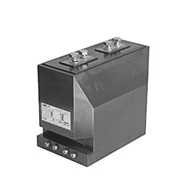
Another option is the LZZBJ12 - 10 Current Transformer. It's designed to handle specific current ranges and offers good performance in terms of accuracy and durability. This transformer is often used in situations where a stable and accurate current measurement is crucial for the proper operation of the power system.
We also have the LZZBJ9 - 10 C Current Transformer, which has its own unique rated current characteristics. It's suitable for applications where a different set of requirements, such as a specific accuracy level or a particular current range, need to be met.
When it comes to choosing the right B current transformer with the appropriate rated current for your application, there are a few things you need to consider. First, you need to know the maximum current that will flow through the circuit you're measuring. This will help you determine the minimum rated current of the transformer.
You also need to think about the accuracy requirements. If you need very precise current measurements for billing or control purposes, you'll want to choose a transformer with a high accuracy class. However, keep in mind that high - accuracy transformers might be more expensive.
It's also important to consider the environmental conditions where the transformer will be installed. If the transformer is going to be exposed to high temperatures, humidity, or other harsh conditions, you need to make sure it's designed to withstand those conditions.
In conclusion, the rated current of a typical B current transformer can vary widely depending on the application, load, accuracy requirements, and environmental conditions. As a supplier, we're here to help you choose the right transformer for your specific needs. Whether you're working on a small - scale industrial project or a large - scale power system, we have the expertise and the products to meet your requirements.
If you're interested in learning more about our B current transformers or need help selecting the right one with the appropriate rated current for your project, don't hesitate to reach out. We're always happy to have a chat and discuss how we can assist you with your procurement needs. Let's work together to find the perfect solution for your current measurement requirements.
References
- Electrical Power Systems: Analysis and Design by J. Duncan Glover, Mulukutla S. Sarma, and Thomas J. Overbye
- Handbook of Electrical Engineering by I. J. Nagrath and D. P. Kothari