


Mechanical vibration is a common phenomenon in various industrial and electrical environments. As a supplier of Split Current Transformers, understanding the effects of mechanical vibration on these devices is crucial for ensuring their reliable performance and longevity. In this blog post, we will delve into the impact of mechanical vibration on split current transformers, exploring both the potential challenges and the measures we can take to mitigate them.
Understanding Split Current Transformers
Before we discuss the effects of mechanical vibration, let's briefly review what split current transformers are. Split current transformers are devices used to measure electrical current in a circuit. They are designed with a split core, which allows for easy installation around existing conductors without the need to disconnect the circuit. These transformers are widely used in a variety of applications, including power distribution systems, industrial automation, and renewable energy projects.
At our company, we offer a range of high - quality split current transformers, such as the MSQ Current Transformer, the CHK - 0.66/K Split Current Transformer, and the LMK2 - 0.66/SDH - 0.66 Current Transformers. These products are known for their accuracy, reliability, and ease of installation.
Effects of Mechanical Vibration on Split Current Transformers
1. Impact on Electrical Performance
Mechanical vibration can have a significant impact on the electrical performance of split current transformers. One of the primary concerns is the change in the magnetic coupling between the primary and secondary windings. Vibration can cause the core of the transformer to shift slightly, which may lead to a change in the magnetic flux density. This, in turn, can result in errors in current measurement.
For example, if the core moves due to vibration, the magnetic path length may change, affecting the mutual inductance between the windings. As a result, the output current of the secondary winding may deviate from the expected value, leading to inaccurate current readings. In some cases, the vibration - induced changes in magnetic coupling can also cause harmonic distortion in the output signal, further degrading the measurement accuracy.
2. Structural Damage
Another effect of mechanical vibration is the potential for structural damage to the split current transformer. The continuous shaking can cause stress on the internal components, such as the windings, core, and insulation materials. Over time, this stress can lead to fatigue and cracking of these components.
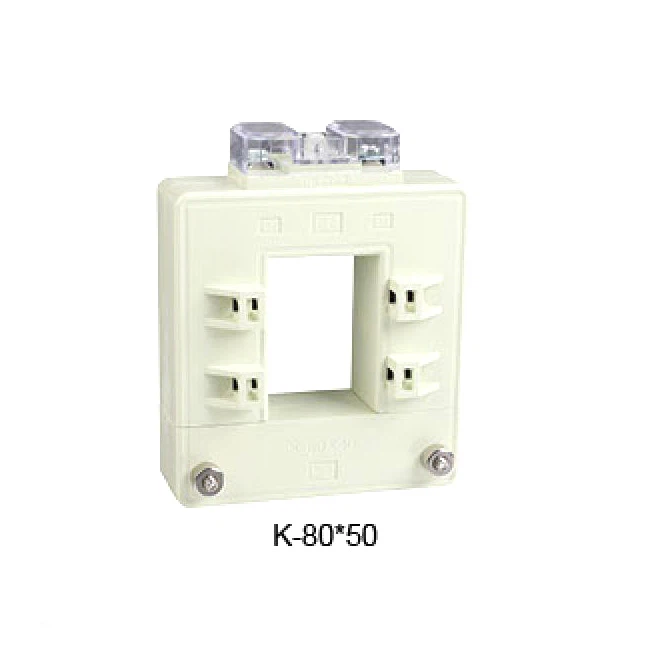

The windings, which are made of thin wires, are particularly vulnerable to vibration - induced damage. If the wires break due to vibration, it can disrupt the electrical circuit and render the transformer inoperable. Similarly, damage to the insulation materials can lead to electrical short - circuits, posing a safety hazard and causing equipment failure.
3. Loosening of Mounting and Connections
Mechanical vibration can also cause the mounting hardware and electrical connections of the split current transformer to loosen. If the transformer is not securely mounted, it may move or shift during operation, increasing the risk of structural damage and affecting the electrical performance.
Loose electrical connections can lead to increased resistance, which can cause overheating and power losses. In addition, poor connections can introduce additional noise and interference into the measurement signal, reducing the accuracy of the current measurement.
Mitigation Measures
1. Design and Construction
To minimize the effects of mechanical vibration, we focus on the design and construction of our split current transformers. We use high - quality materials and advanced manufacturing techniques to ensure the structural integrity of the transformers. For example, we reinforce the core and windings to make them more resistant to vibration - induced stress.
We also pay attention to the mounting design of the transformers. Our products are designed with sturdy mounting brackets and fixtures that can securely hold the transformer in place, reducing the risk of movement due to vibration.
2. Vibration - Damping Materials
Another effective way to mitigate the effects of mechanical vibration is to use vibration - damping materials. These materials can absorb and dissipate the energy generated by vibration, reducing the stress on the internal components of the transformer.
We incorporate vibration - damping materials into the design of our split current transformers, such as rubber gaskets and shock - absorbing pads. These materials are placed between the transformer and the mounting surface to isolate the transformer from the vibration source.
3. Regular Maintenance and Inspection
Regular maintenance and inspection are essential for ensuring the long - term reliability of split current transformers in vibration - prone environments. We recommend that our customers periodically check the mounting hardware and electrical connections to ensure they are tight and secure.
During the inspection, it is also important to check for any signs of structural damage, such as cracks or loose components. If any issues are detected, they should be addressed promptly to prevent further damage and ensure accurate current measurement.
Conclusion
Mechanical vibration can have a significant impact on the performance and reliability of split current transformers. As a supplier, we are committed to providing high - quality products that can withstand the challenges posed by vibration. Our range of split current transformers, including the MSQ Current Transformer, the CHK - 0.66/K Split Current Transformer, and the LMK2 - 0.66/SDH - 0.66 Current Transformers, are designed with advanced features and mitigation measures to minimize the effects of vibration.
If you are in the market for split current transformers and need reliable products that can perform well in vibration - prone environments, we encourage you to contact us for more information. Our team of experts is ready to assist you in selecting the right products for your specific application and to provide you with professional advice on installation and maintenance.
References
- IEEE Standard for Current Transformers (C57.13)
- International Electrotechnical Commission (IEC) standards related to current transformers
- Textbooks on electrical engineering and power systems, such as "Power System Analysis" by John Grainger and William Stevenson.