


As a supplier of 10Q Current Transformers, I've witnessed firsthand the critical role these devices play in electrical systems. They are essential for measuring current, protecting equipment, and ensuring the safety and efficiency of power distribution. However, like any electrical component, 10Q Current Transformers are prone to certain failures that can disrupt operations and lead to costly downtime. In this blog post, I'll discuss some of the common failures of 10Q Current Transformers and how to address them.
Insulation Failure
One of the most prevalent issues with 10Q Current Transformers is insulation failure. The insulation in these transformers serves to isolate the primary and secondary windings, preventing electrical leakage and short circuits. Over time, insulation can degrade due to various factors, including:
- Aging: As the transformer ages, the insulation material can become brittle and crack, reducing its effectiveness.
- Overheating: Excessive heat can accelerate the aging process of the insulation, causing it to break down more quickly.
- Moisture: Moisture can penetrate the insulation, leading to corrosion and electrical leakage.
- Mechanical Stress: Vibration, shock, or improper installation can cause physical damage to the insulation, compromising its integrity.
Insulation failure can result in a variety of problems, such as inaccurate current measurements, short circuits, and even electrical fires. To prevent insulation failure, it's important to regularly inspect the transformer for signs of damage, ensure proper ventilation to prevent overheating, and protect the transformer from moisture and mechanical stress.
Core Saturation
Another common failure mode of 10Q Current Transformers is core saturation. The core of a current transformer is made of a magnetic material that is designed to carry the magnetic flux generated by the primary current. When the primary current exceeds a certain level, the core can become saturated, meaning that it can no longer carry additional magnetic flux.
Core saturation can occur due to several reasons, including:
- High Fault Currents: During a short circuit or other fault condition, the primary current can increase significantly, causing the core to saturate.
- Incorrect Transformer Rating: If the transformer is not properly sized for the application, it may be more prone to core saturation.
- DC Bias: A DC component in the primary current can cause the core to saturate, even at relatively low AC currents.
When the core saturates, the secondary current no longer accurately reflects the primary current, leading to inaccurate measurements and potential protection system malfunctions. To prevent core saturation, it's important to select the appropriate transformer rating for the application, monitor the primary current during normal operation, and use protective devices to limit the fault current.
Winding Faults
Winding faults are another common issue with 10Q Current Transformers. The windings of a current transformer are responsible for carrying the electrical current and transferring it from the primary to the secondary side. Over time, the windings can develop faults due to various factors, including:
- Overheating: Excessive heat can cause the insulation on the windings to break down, leading to short circuits.
- Mechanical Damage: Vibration, shock, or improper installation can cause physical damage to the windings, such as breaks or shorts.
- Corrosion: Moisture or chemical exposure can cause corrosion of the windings, reducing their conductivity and increasing the risk of failure.
Winding faults can result in a variety of problems, such as inaccurate current measurements, reduced transformer efficiency, and even complete failure of the transformer. To prevent winding faults, it's important to regularly inspect the transformer for signs of damage, ensure proper ventilation to prevent overheating, and protect the transformer from moisture and corrosion.
Connection Issues
Connection issues are also a common cause of failure in 10Q Current Transformers. The connections between the primary and secondary windings, as well as the connections to the external circuit, must be secure and properly tightened to ensure reliable operation. Loose or corroded connections can cause a variety of problems, including:
- Increased Resistance: Loose connections can increase the resistance in the circuit, leading to voltage drops and reduced transformer efficiency.
- Overheating: Increased resistance can also cause the connections to overheat, which can damage the insulation and lead to short circuits.
- Inaccurate Measurements: Loose connections can cause intermittent or inaccurate current measurements, which can affect the performance of the protection system.
To prevent connection issues, it's important to regularly inspect the connections for signs of damage or corrosion, tighten the connections as needed, and use appropriate connectors and wiring for the application.
External Factors
In addition to the internal failures discussed above, 10Q Current Transformers can also be affected by external factors, such as:
- Environmental Conditions: Extreme temperatures, humidity, dust, and pollution can all have a negative impact on the performance and lifespan of the transformer.
- Electromagnetic Interference (EMI): EMI from nearby electrical equipment or power lines can interfere with the operation of the transformer, leading to inaccurate measurements and potential protection system malfunctions.
- Lightning Strikes: Lightning strikes can cause significant damage to the transformer, including insulation breakdown, winding faults, and connection issues.
To protect the transformer from external factors, it's important to install the transformer in a suitable environment, use appropriate shielding and grounding to reduce EMI, and provide lightning protection measures, such as surge arresters.

Addressing Common Failures
To address the common failures of 10Q Current Transformers, it's important to implement a comprehensive maintenance program that includes regular inspections, testing, and preventive maintenance. Here are some key steps to consider:
- Regular Inspections: Conduct visual inspections of the transformer on a regular basis to check for signs of damage, such as cracks, corrosion, or loose connections.
- Testing: Perform regular electrical tests, such as insulation resistance testing, turns ratio testing, and polarity testing, to ensure the transformer is operating properly.
- Preventive Maintenance: Replace worn or damaged components, such as insulation, windings, or connections, as needed to prevent failures from occurring.
- Training: Provide training to your maintenance personnel on the proper installation, operation, and maintenance of 10Q Current Transformers to ensure they are able to identify and address potential issues.
Our Product Offerings
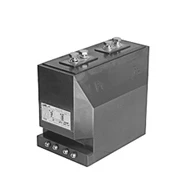
At our company, we offer a wide range of high-quality 10Q Current Transformers, including the LZZBJ9-10 C Current Transformer, LZZBJ9-10 B Current Transformer, and LZZBJ12-10 Current Transformer. Our transformers are designed to meet the highest industry standards and are built to last, providing reliable performance in even the most demanding applications.
If you're experiencing issues with your current transformers or are in need of a new transformer for your electrical system, we'd be happy to help. Our team of experts can provide you with the information and support you need to select the right transformer for your application and ensure it is installed and maintained properly. Contact us today to learn more about our products and services and to discuss your specific requirements.
Conclusion
In conclusion, 10Q Current Transformers are essential components in electrical systems, but they are prone to certain failures that can disrupt operations and lead to costly downtime. By understanding the common failures of these transformers and implementing a comprehensive maintenance program, you can minimize the risk of failure and ensure the reliable performance of your electrical system. If you have any questions or need further information, please don't hesitate to contact us. We're here to help you keep your electrical system running smoothly.