


In the era of sustainable energy, distributed generation systems have emerged as a crucial component of the modern power grid. These systems, which include solar panels, wind turbines, and small hydroelectric plants, offer a more decentralized and efficient way to generate electricity. However, to ensure the safe and reliable operation of distributed generation systems, accurate current measurement is essential. This is where C current transformers come into play. As a leading C current transformer supplier, I will share with you how to use a C current transformer in a distributed generation system.
Understanding C Current Transformers
Before delving into the application of C current transformers in distributed generation systems, it is important to understand what they are and how they work. A current transformer (CT) is a type of instrument transformer that is used to measure alternating current (AC). It works on the principle of electromagnetic induction, where a primary winding carrying the current to be measured is linked to a secondary winding through a magnetic core. The secondary winding produces a current that is proportional to the primary current, allowing for safe and accurate measurement.
C current transformers are a specific type of current transformer that are designed to provide a high degree of accuracy and reliability in high-voltage applications. They are typically used in power systems to measure current in high-voltage lines, substations, and other electrical equipment. C current transformers are characterized by their high accuracy class, which is typically in the range of 0.2 to 0.5, and their ability to withstand high short-circuit currents.
Benefits of Using C Current Transformers in Distributed Generation Systems
There are several benefits to using C current transformers in distributed generation systems. Firstly, they provide accurate current measurement, which is essential for the safe and efficient operation of the system. By accurately measuring the current flowing through the system, operators can monitor the performance of the distributed generation sources, detect any faults or abnormalities, and take appropriate action to prevent damage to the equipment.
Secondly, C current transformers are designed to withstand high short-circuit currents, which are common in distributed generation systems. These short-circuit currents can cause significant damage to the electrical equipment if not properly protected. C current transformers are able to provide reliable protection by limiting the current flowing through the secondary winding during a short-circuit event, preventing damage to the measuring instruments and other connected equipment.
Thirdly, C current transformers are highly reliable and have a long service life. They are designed to operate in harsh environmental conditions, such as high temperatures, humidity, and vibration, and are able to withstand the effects of aging and wear. This makes them a cost-effective solution for distributed generation systems, as they require minimal maintenance and replacement over their lifetime.
Selecting the Right C Current Transformer for Your Distributed Generation System
When selecting a C current transformer for your distributed generation system, there are several factors to consider. Firstly, you need to determine the rated current of the system, which is the maximum current that the system is designed to carry. This will help you select a C current transformer with the appropriate primary current rating.
Secondly, you need to consider the accuracy class of the C current transformer. The accuracy class determines the maximum error that the transformer can introduce into the measurement. For most distributed generation systems, an accuracy class of 0.2 to 0.5 is sufficient. However, if you require higher accuracy, you may need to select a transformer with a lower accuracy class.
Thirdly, you need to consider the secondary current rating of the C current transformer. The secondary current rating is the current that the transformer produces in the secondary winding when the primary current is at its rated value. Most C current transformers have a secondary current rating of 1A or 5A. You need to select a transformer with a secondary current rating that is compatible with the measuring instruments and other connected equipment.
Finally, you need to consider the environmental conditions in which the C current transformer will be installed. If the transformer will be installed in a harsh environment, such as a high-temperature or high-humidity area, you may need to select a transformer that is designed to withstand these conditions.
Installing and Commissioning a C Current Transformer in a Distributed Generation System
Once you have selected the right C current transformer for your distributed generation system, the next step is to install and commission it. The installation process typically involves the following steps:
- Mounting the Transformer: The C current transformer should be mounted on a suitable support structure, such as a wall or a pole, using the appropriate mounting hardware. The transformer should be installed in a location that is easily accessible for maintenance and inspection.
- Connecting the Primary Winding: The primary winding of the C current transformer should be connected to the high-voltage line or equipment that is carrying the current to be measured. The connection should be made using the appropriate cables and connectors, and should be tightened securely to ensure a good electrical connection.
- Connecting the Secondary Winding: The secondary winding of the C current transformer should be connected to the measuring instruments and other connected equipment. The connection should be made using the appropriate cables and connectors, and should be tightened securely to ensure a good electrical connection.
- Testing the Transformer: Once the C current transformer has been installed and connected, it should be tested to ensure that it is working properly. The testing process typically involves measuring the secondary current using a multimeter or other measuring instrument, and comparing the measured value with the expected value based on the primary current and the turns ratio of the transformer.
Using C Current Transformers in Different Types of Distributed Generation Systems
C current transformers can be used in a variety of distributed generation systems, including solar photovoltaic (PV) systems, wind turbine systems, and small hydroelectric plants. Here is a brief overview of how C current transformers are used in each of these systems:
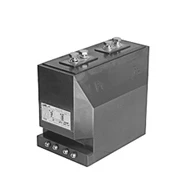

Solar PV Systems
In a solar PV system, C current transformers are used to measure the current flowing through the DC and AC sides of the system. On the DC side, the current transformers are used to measure the current flowing from the solar panels to the inverter. On the AC side, the current transformers are used to measure the current flowing from the inverter to the grid or to the load. By accurately measuring the current, operators can monitor the performance of the solar PV system, detect any faults or abnormalities, and take appropriate action to optimize the system's efficiency.
Wind Turbine Systems
In a wind turbine system, C current transformers are used to measure the current flowing through the generator and the power electronics. The current transformers are typically installed in the nacelle of the wind turbine, where they are exposed to high levels of vibration and electromagnetic interference. To ensure accurate measurement, the current transformers need to be designed to withstand these harsh environmental conditions. By accurately measuring the current, operators can monitor the performance of the wind turbine system, detect any faults or abnormalities, and take appropriate action to optimize the system's efficiency.
Small Hydroelectric Plants
In a small hydroelectric plant, C current transformers are used to measure the current flowing through the generator and the power electronics. The current transformers are typically installed in the control room or the switchgear of the hydroelectric plant, where they are exposed to high levels of humidity and temperature. To ensure accurate measurement, the current transformers need to be designed to withstand these harsh environmental conditions. By accurately measuring the current, operators can monitor the performance of the small hydroelectric plant, detect any faults or abnormalities, and take appropriate action to optimize the system's efficiency.
Recommended C Current Transformers for Distributed Generation Systems
As a C current transformer supplier, we offer a wide range of high-quality C current transformers that are suitable for use in distributed generation systems. Some of our recommended products include:
- LZZBJ9-10 B Current Transformer: This current transformer is designed for use in 10kV high-voltage applications and offers a high degree of accuracy and reliability.
- LZZBJ9-10 A Current Transformer: This current transformer is also designed for use in 10kV high-voltage applications and offers a high degree of accuracy and reliability.
- LZZBJ12-10 Current Transformer: This current transformer is designed for use in 10kV high-voltage applications and offers a high degree of accuracy and reliability.
Conclusion
C current transformers play a crucial role in the safe and efficient operation of distributed generation systems. By providing accurate current measurement, they enable operators to monitor the performance of the system, detect any faults or abnormalities, and take appropriate action to prevent damage to the equipment. As a leading C current transformer supplier, we are committed to providing high-quality products and services to our customers. If you are interested in learning more about our C current transformers or would like to discuss your specific requirements, please feel free to contact us for further information and procurement discussions.
References
- Electric Power Systems: A Conceptual Introduction, by Ali Keyhani
- Power System Analysis and Design, by J. Duncan Glover, Mulukutla S. Sarma, and Thomas J. Overbye
- Electrical Power Systems Quality, by Roger C. Dugan, Mark F. McGranaghan, Surya Santoso, and H. Wayne Beaty