


Measuring primary current accurately is crucial in many electrical applications, from industrial power systems to residential electrical setups. As a supplier of split current transformers, I've seen firsthand how these devices can simplify and enhance current measurement. In this blog, I'll walk you through how to measure primary current using a split current transformer.
What's a Split Current Transformer?
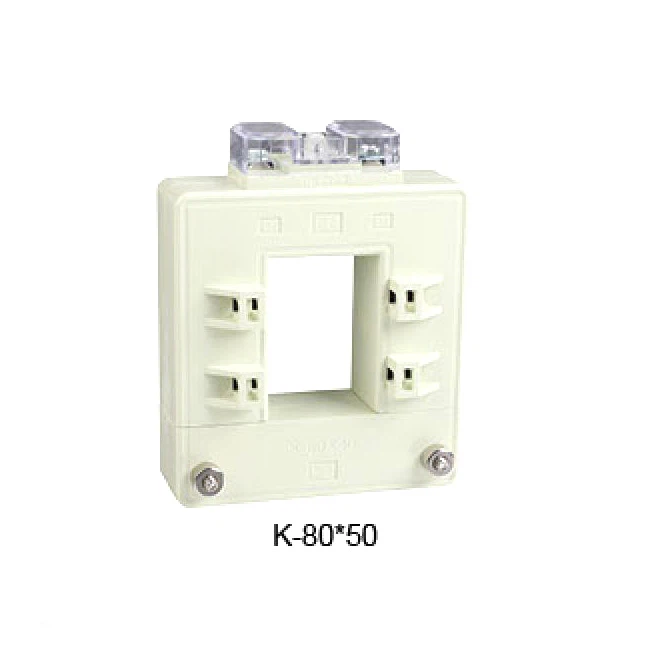
First off, let's get clear on what a split current transformer is. Unlike traditional current transformers that are a solid unit, split current transformers can be opened up. This feature makes them super easy to install without having to disconnect the primary conductor. You just open the transformer, place it around the conductor, and close it up. It's a real time - saver, especially in existing electrical systems.
We offer a range of split current transformers, like the DP Split Current Transformer, DSC Series Current Transformer, and CHK - 0.66/K Split Current Transformer. Each of these models is designed to meet different needs and applications.
Why Use a Split Current Transformer for Measuring Primary Current?
There are several reasons why split current transformers are a great choice for measuring primary current.
- Ease of Installation: As I mentioned earlier, you don't have to break the primary circuit to install them. This is a huge advantage in live systems where shutting down the power is not an option.
- Safety: Since you don't need to disconnect the primary conductor, there's less risk of electrical shock or short - circuits during the installation process.
- Flexibility: Split current transformers can be used in a variety of applications, from monitoring the current in a single - phase residential circuit to measuring the current in a large three - phase industrial power system.
Step - by - Step Guide to Measuring Primary Current
Now, let's get into the nitty - gritty of how to measure primary current using a split current transformer.
Step 1: Choose the Right Transformer
The first step is to select the appropriate split current transformer for your application. You need to consider factors like the primary current rating, the secondary current output, and the accuracy class. For example, if you're measuring the current in a small residential circuit, a transformer with a lower primary current rating will do. But for an industrial application with high - current loads, you'll need a transformer with a higher rating.
Step 2: Prepare the Installation Site
Before installing the transformer, make sure the installation site is clean and dry. Remove any dirt, dust, or debris from the area around the primary conductor. Also, check that there's enough space to open and close the split current transformer without any obstructions.
Step 3: Install the Split Current Transformer
Open the split current transformer and carefully place it around the primary conductor. Make sure the transformer is centered on the conductor and that the two halves of the transformer are properly aligned. Then, close the transformer and secure it using the provided clamping mechanism.
Step 4: Connect the Secondary Circuit
Once the transformer is installed on the primary conductor, you need to connect the secondary circuit. The secondary circuit typically consists of a burden resistor and a measuring instrument, such as an ammeter or a power meter. Connect the leads from the secondary winding of the transformer to the burden resistor and the measuring instrument according to the manufacturer's instructions.
Step 5: Calibrate the Measuring Instrument
Before taking any measurements, it's important to calibrate the measuring instrument. This ensures that the readings you get are accurate. Follow the calibration procedure provided by the manufacturer of the measuring instrument.
Step 6: Take the Measurement
With the transformer installed, the secondary circuit connected, and the measuring instrument calibrated, you're ready to take the measurement. Switch on the power supply to the primary circuit and observe the reading on the measuring instrument. The reading will give you the value of the primary current, taking into account the turns ratio of the transformer.
Tips for Accurate Measurement
- Proper Installation: Make sure the split current transformer is installed correctly around the primary conductor. Any misalignment or improper clamping can affect the accuracy of the measurement.
- Avoid External Magnetic Fields: Keep the transformer away from other magnetic sources, such as motors or transformers, as these can interfere with the magnetic field generated by the primary current and cause measurement errors.
- Regular Maintenance: Periodically check the transformer and the secondary circuit for any signs of damage or wear. Replace any faulty components to ensure accurate measurement.
Applications of Split Current Transformers in Current Measurement
Split current transformers are used in a wide range of applications for measuring primary current.
- Energy Management: In commercial and industrial buildings, split current transformers are used to monitor the energy consumption of different electrical loads. This helps in identifying energy - inefficient equipment and implementing energy - saving measures.
- Power Quality Monitoring: They are also used to monitor the power quality of electrical systems, such as measuring the current harmonics and unbalance.
- Over - current Protection: Split current transformers can be used in over - current protection systems to detect abnormal current levels and trigger protective devices, such as circuit breakers.
Conclusion
Measuring primary current using a split current transformer is a simple and effective way to monitor electrical currents in various applications. With the right transformer, proper installation, and accurate measurement techniques, you can ensure reliable and precise current measurement.
If you're looking for high - quality split current transformers for your current measurement needs, we're here to help. We offer a wide range of products, including the DP Split Current Transformer, DSC Series Current Transformer, and CHK - 0.66/K Split Current Transformer. Feel free to reach out to us to discuss your requirements and start a procurement negotiation.

References
- Electrical Power Systems: Principles and Applications by Ali Keyhani
- Power System Analysis and Design by J. Duncan Glover, Mulukutla S. Sarma, and Thomas J. Overbye