


When it comes to current transformers, two popular types stand out in the market: dry - type current transformers and oil - filled ones. As a current transformer supplier, I have had extensive experience with both types, and I'd like to share a detailed comparison between them.

1. Construction and Design
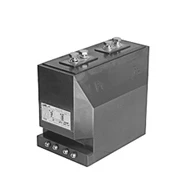
Dry - type current transformers are constructed without the use of any liquid insulation. They typically use solid insulation materials such as epoxy resin. The primary and secondary windings are encapsulated in epoxy, which provides excellent electrical insulation and mechanical protection. This construction makes dry - type current transformers compact and lightweight. For example, our LZZBJ9 - 10 C Current Transformer is a dry - type transformer with a robust epoxy - encapsulated design, ensuring reliable performance in various environments.
On the other hand, oil - filled current transformers use mineral oil as an insulating and cooling medium. The windings are immersed in the oil, which is contained within a metal tank. The tank is usually made of steel or aluminum, and it has a hermetic seal to prevent oil leakage. The oil not only provides insulation but also helps in dissipating heat generated during the operation of the transformer. Our LZZBJ9 - 10 B Current Transformer is an oil - filled option, which has a well - designed tank structure to ensure the proper functioning of the oil system.
2. Insulation Performance
Dry - type current transformers offer high - quality insulation. The epoxy resin used in their construction has excellent dielectric properties, which can withstand high voltages without breaking down. Epoxy is also resistant to moisture, dust, and chemicals, making dry - type transformers suitable for harsh environments. They have a low partial discharge level, which means less electrical stress on the insulation and a longer service life.
Oil - filled current transformers also have good insulation performance. The mineral oil has a high dielectric strength, which can effectively insulate the windings. However, the insulation performance of oil - filled transformers can be affected by factors such as oil contamination, moisture ingress, and aging of the oil. Regular oil testing and maintenance are required to ensure the continued good insulation performance of oil - filled current transformers.
3. Cooling Efficiency
Dry - type current transformers rely on natural convection or forced air cooling. The heat generated during operation is dissipated through the surface of the epoxy - encapsulated windings. In some cases, fans can be used to enhance the cooling effect. This cooling method is simple and reliable, but it may have limitations in high - power applications.
Oil - filled current transformers have a more efficient cooling system. The mineral oil has a high specific heat capacity, which can absorb a large amount of heat. The oil circulates within the tank, transferring the heat to the tank walls, where it is dissipated to the surrounding environment. This cooling method allows oil - filled transformers to handle higher power loads compared to dry - type transformers. Our LZZBJ12 - 10 Current Transformer, an oil - filled model, can efficiently dissipate heat even under heavy - load conditions.
4. Safety and Environmental Impact
Dry - type current transformers are considered safer in many aspects. Since they do not use oil, there is no risk of oil leakage, which can cause environmental pollution and fire hazards. They are also less likely to explode or catch fire compared to oil - filled transformers. In addition, dry - type transformers are suitable for indoor use, as they do not emit any harmful substances.
Oil - filled current transformers pose some safety and environmental risks. The mineral oil used in these transformers is flammable, and in case of a fault, there is a risk of fire or explosion. Oil leakage can also contaminate the soil and water, causing environmental damage. However, modern oil - filled transformers are designed with safety features such as pressure relief devices and oil - containment systems to minimize these risks.
5. Maintenance Requirements
Dry - type current transformers require relatively low maintenance. They do not need oil changes or oil testing, and the epoxy - encapsulated design reduces the need for frequent inspections. Periodic visual inspections for any signs of damage or cracking on the epoxy surface are usually sufficient.
Oil - filled current transformers require more extensive maintenance. Regular oil sampling and testing are necessary to monitor the quality of the oil. The oil may need to be replaced periodically to maintain its insulation and cooling properties. The tank and its components also need to be inspected for any signs of leakage or corrosion.
6. Cost Considerations
The initial cost of dry - type current transformers is generally higher than that of oil - filled ones. The epoxy resin used in dry - type transformers is more expensive than the mineral oil used in oil - filled transformers. However, when considering the total cost of ownership, dry - type transformers may be more cost - effective in the long run. They have lower maintenance costs, longer service life, and fewer safety - related expenses.
Oil - filled current transformers have a lower initial cost, but the cost of maintenance, oil replacement, and safety measures can add up over time. In addition, the potential environmental and safety risks associated with oil - filled transformers may result in additional costs.
Conclusion
In conclusion, both dry - type and oil - filled current transformers have their own advantages and disadvantages. Dry - type current transformers are more suitable for applications where safety, low maintenance, and environmental friendliness are important, such as indoor installations and harsh - environment applications. Oil - filled current transformers are better suited for high - power applications where efficient cooling is required.
As a current transformer supplier, we offer a wide range of dry - type and oil - filled current transformers to meet the diverse needs of our customers. Whether you are looking for a reliable dry - type transformer like our LZZBJ9 - 10 C Current Transformer or a high - power oil - filled option like our LZZBJ12 - 10 Current Transformer, we can provide you with the right solution.
If you are interested in our current transformers or have any questions about the selection between dry - type and oil - filled transformers, please feel free to contact us for a detailed consultation and procurement negotiation. We are committed to providing you with high - quality products and excellent service.
References
- Electrical Power Transformer Engineering: Design and Practice by L. Gyugyi and E. V. Larsen.
- Handbook of Transformer Technology: Design and Application by George W. T. Arnedt.