


As a supplier of passive lightning counters, I am often asked about the communication protocol of these devices. In this blog post, I will delve into the details of the communication protocol of a passive lightning counter, shedding light on how it works and why it matters.
Understanding Passive Lightning Counters
Before we jump into the communication protocol, let's briefly understand what a passive lightning counter is. A passive lightning counter is a device designed to detect and record lightning strikes in a specific area. Unlike active lightning detection systems that actively emit signals to detect lightning, passive lightning counters rely on the electromagnetic fields generated by lightning strikes to function.
These counters are typically installed on structures such as buildings, towers, and wind turbines to monitor the frequency and intensity of lightning strikes. By collecting this data, they can help assess the lightning risk in an area and inform decisions related to lightning protection and safety.
The Importance of Communication Protocol
The communication protocol of a passive lightning counter is crucial as it determines how the device communicates with other systems, such as data loggers, monitoring stations, or cloud - based platforms. A well - defined communication protocol ensures reliable and efficient data transfer, enabling users to access and analyze the lightning strike data in a timely manner.
There are several reasons why a proper communication protocol is essential:
- Data Collection: It allows the lightning counter to send the recorded data, including the number of strikes, strike time, and sometimes strike intensity, to a central location for further analysis.
- Remote Monitoring: Enables users to monitor the lightning activity in real - time or at regular intervals from a remote location, which is particularly useful for large - scale installations or areas that are difficult to access.
- Integration: Facilitates the integration of the passive lightning counter with other systems, such as building management systems or weather monitoring networks, enhancing the overall functionality and value of the data.
Common Communication Protocols for Passive Lightning Counters
Modbus
Modbus is one of the most widely used communication protocols in industrial applications, including passive lightning counters. It is an open - source protocol that allows devices to communicate over a serial or Ethernet network.
- How it Works: In a Modbus - enabled passive lightning counter, the device acts as a slave. A master device, such as a data logger or a monitoring computer, sends requests to the slave (the lightning counter) to read or write data. The lightning counter responds to these requests with the relevant data, such as the number of lightning strikes.
- Advantages: Modbus is easy to implement, widely supported by various hardware and software platforms, and has a simple and straightforward structure. It also allows for multiple slaves to be connected to a single master, making it suitable for large - scale monitoring systems.
RS - 232/RS - 485
RS - 232 and RS - 485 are serial communication protocols commonly used in electronic devices, including passive lightning counters.
- RS - 232: This is a standard serial communication protocol used for short - distance communication between devices. It typically uses a single communication line and is suitable for connecting a lightning counter to a nearby computer or data logger.
- RS - 485: RS - 485 is an improvement over RS - 232, allowing for longer - distance communication and the connection of multiple devices on the same bus. It uses differential signaling, which provides better noise immunity, making it ideal for outdoor installations where lightning counters are often exposed to electrical interference.
Ethernet
With the increasing adoption of network - based systems, Ethernet has become a popular communication protocol for passive lightning counters.
- How it Works: An Ethernet - enabled lightning counter can be connected to a local area network (LAN) or the internet. It can send data to a server or a cloud - based platform using standard network protocols such as TCP/IP.
- Advantages: Ethernet offers high - speed data transfer, long - distance communication, and easy integration with existing network infrastructure. It also allows for remote access and management of the lightning counter from anywhere in the world.
Our Passive Lightning Counter Module
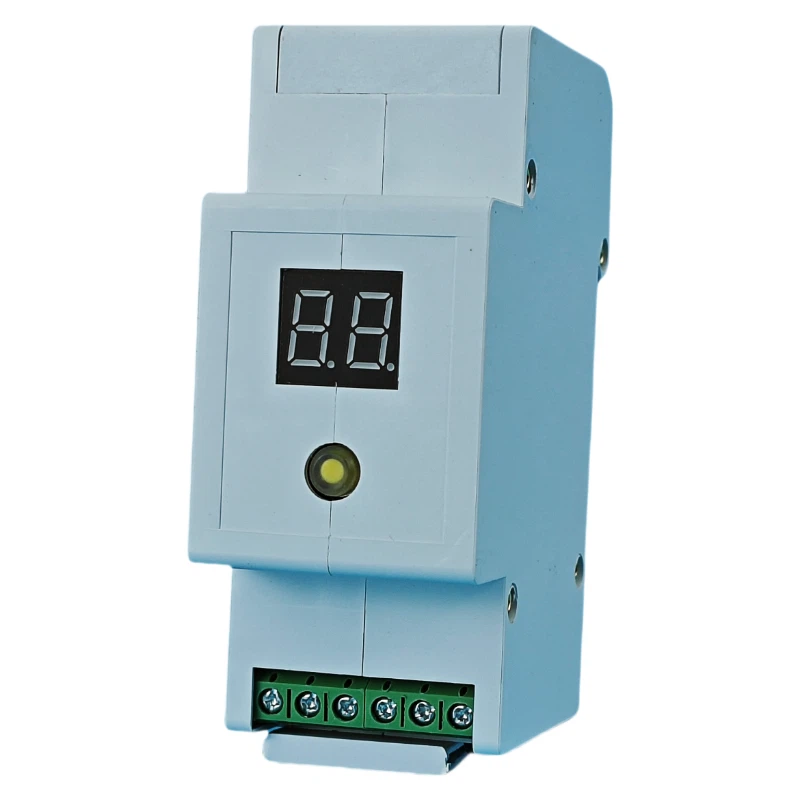
At our company, we offer a Passive Lightning Counter Module that supports multiple communication protocols. Our module is designed to be highly reliable and accurate, providing real - time data on lightning strikes.
The module supports Modbus, RS - 232/RS - 485, and Ethernet communication protocols, giving our customers the flexibility to choose the most suitable option for their specific application. Whether you need to connect the counter to a local data logger or a cloud - based monitoring platform, our module can meet your requirements.
In addition to its communication capabilities, our passive lightning counter module is also equipped with advanced sensors and algorithms to ensure accurate detection and recording of lightning strikes. It can withstand harsh environmental conditions, making it suitable for a wide range of applications, from industrial facilities to renewable energy projects.
Conclusion
The communication protocol of a passive lightning counter plays a vital role in its functionality and usability. By understanding the different communication protocols available, users can choose the right one for their specific needs and ensure seamless data transfer and monitoring.
As a leading supplier of passive lightning counters, we are committed to providing high - quality products with advanced communication capabilities. Our Passive Lightning Counter Module offers a versatile solution for lightning strike monitoring, supporting multiple communication protocols to meet the diverse requirements of our customers.
If you are interested in learning more about our passive lightning counter products or would like to discuss a potential procurement, please feel free to reach out. We are here to assist you in finding the best solution for your lightning monitoring needs.
References
- Modbus Organization. (n.d.). Modbus Technical Resources.
- EIA/TIA Standards. (n.d.). RS - 232 and RS - 485 Standards.
- IEEE Standards Association. (n.d.). Ethernet Standards.