


Hey there! As a supplier of passive lightning counters, I'm super excited to chat with you about the kind of data these nifty devices can collect. Passive lightning counters are pretty amazing pieces of tech, and they've got a lot more to offer than you might think.
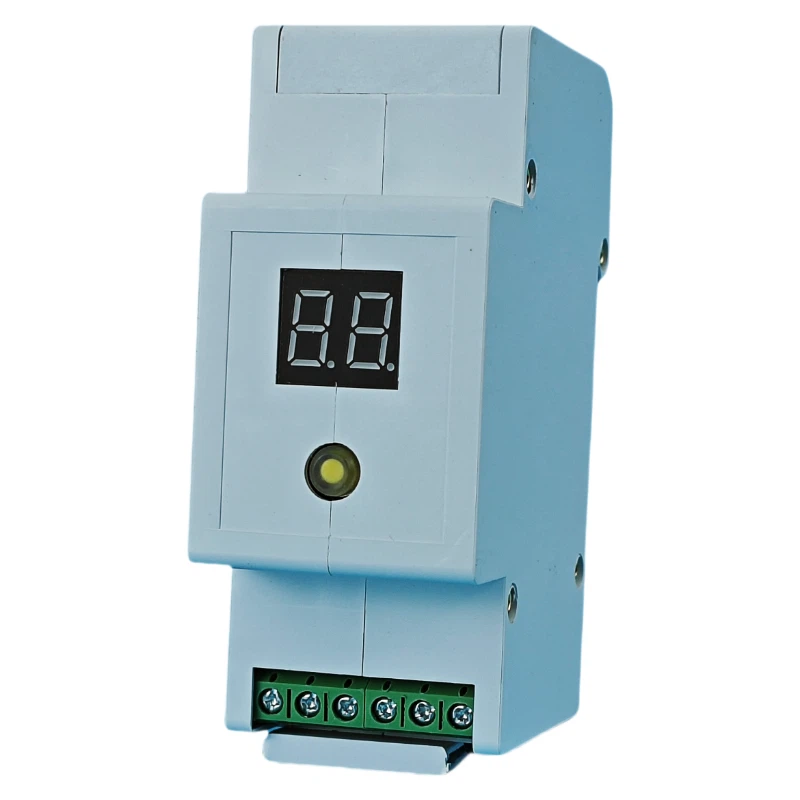
Let's start with the basics. A passive lightning counter, like the Passive Lightning Counter Module, is designed to detect and record lightning strikes in a given area. But it's not just about counting how many times lightning hits. It can gather a whole bunch of other useful data too.
One of the key pieces of data that a passive lightning counter can collect is the number of lightning strikes. This might seem obvious, but it's actually really important. For example, if you're managing a large industrial site, knowing how often lightning strikes can help you assess the risk of damage to your equipment and infrastructure. If you notice a sudden increase in the number of strikes, it could be a sign that you need to take extra precautions, like checking your lightning protection systems.
But it's not just about the quantity of strikes. The counter can also tell you about the intensity of the lightning. This is measured in terms of the peak current of the strike. High - intensity strikes are more likely to cause damage, so being able to identify them is crucial. If you're in the business of building tall structures, like skyscrapers or wind turbines, you need to know if they're being hit by high - intensity lightning. The data on strike intensity can help you design better lightning protection systems to safeguard your assets.
Another interesting piece of data is the time of the lightning strikes. By recording when lightning hits, you can start to see patterns. Maybe you'll notice that most strikes occur during a particular time of day or season. This information can be really useful for planning outdoor activities. For instance, if you're running a theme park, you can use this data to schedule maintenance during periods when the risk of lightning is lower.
The location of the lightning strikes is also something that a passive lightning counter can help with. While it might not give you a pinpoint location like a sophisticated lightning detection network, it can still give you a general idea. If you have multiple counters installed across a large area, you can compare the data from each one to get a better sense of where lightning is most likely to strike. This can be invaluable for land use planning. For example, if you're thinking about building a new housing development, you'd want to avoid areas that are prone to frequent lightning strikes.
Now, let's talk about how this data is collected. The passive lightning counter works by detecting the electromagnetic pulses (EMPs) that are generated by lightning strikes. When lightning hits, it creates a powerful EMP that can be picked up by the counter's sensors. The counter then processes this signal to extract the relevant data, like the number of strikes, intensity, time, and approximate location.
One of the great things about passive lightning counters is that they're relatively easy to install and maintain. You don't need a huge team of experts to set them up, and they don't require a lot of power to operate. This makes them a cost - effective solution for a wide range of applications.
So, who can benefit from this data? Well, there are a whole bunch of industries that can make use of it. The aviation industry, for example, needs to know about lightning activity around airports. Lightning can pose a serious risk to aircraft during takeoff and landing, so having accurate data on lightning strikes can help with flight planning and safety.
The agriculture sector can also benefit. Lightning can have a significant impact on crops. It can cause physical damage to plants, and in some cases, it can even affect the soil chemistry. By knowing when and where lightning strikes are occurring, farmers can take steps to protect their crops and manage their land more effectively.
The energy industry is another big user of lightning data. Power grids are vulnerable to lightning strikes, which can cause outages and damage to equipment. Utilities can use the data from passive lightning counters to identify areas that are at high risk and take preventive measures, like upgrading their infrastructure or installing additional lightning protection devices.
If you're in the insurance business, the data from passive lightning counters can be a game - changer. Insurance companies can use this data to assess the risk of lightning - related damage to properties and businesses. This allows them to set more accurate premiums and make better decisions about underwriting policies.
As a supplier of passive lightning counters, I've seen firsthand how this data can make a real difference. Our customers have been able to use the information collected by our counters to improve safety, reduce costs, and make more informed decisions.
If you're interested in learning more about how a passive lightning counter can work for you, or if you're thinking about purchasing one for your business, I'd love to hear from you. Whether you're a small business owner looking to protect your property or a large corporation managing a complex infrastructure, our passive lightning counters can provide the data you need.
Don't hesitate to reach out and start a conversation. We can discuss your specific needs and figure out the best solution for you. Let's work together to make the most of this amazing technology and the valuable data it can collect.
References
- Lightning Detection Handbook, National Oceanic and Atmospheric Administration (NOAA)
- IEEE Standards for Lightning Protection, Institute of Electrical and Electronics Engineers (IEEE)