


Hey there! I'm a supplier of passive lightning counters, and I've been getting a lot of questions lately about how to expand the storage capacity of these nifty devices. So, I thought I'd sit down and share some tips and tricks that I've picked up over the years.
First off, let's talk about why you might want to expand the storage capacity of your passive lightning counter. Well, if you're using it in a high - lightning - activity area, or if you're collecting data over a long period of time, you'll quickly run out of space to store all that valuable lightning strike information. And trust me, having a comprehensive record of lightning strikes can be super useful for everything from safety planning to scientific research.
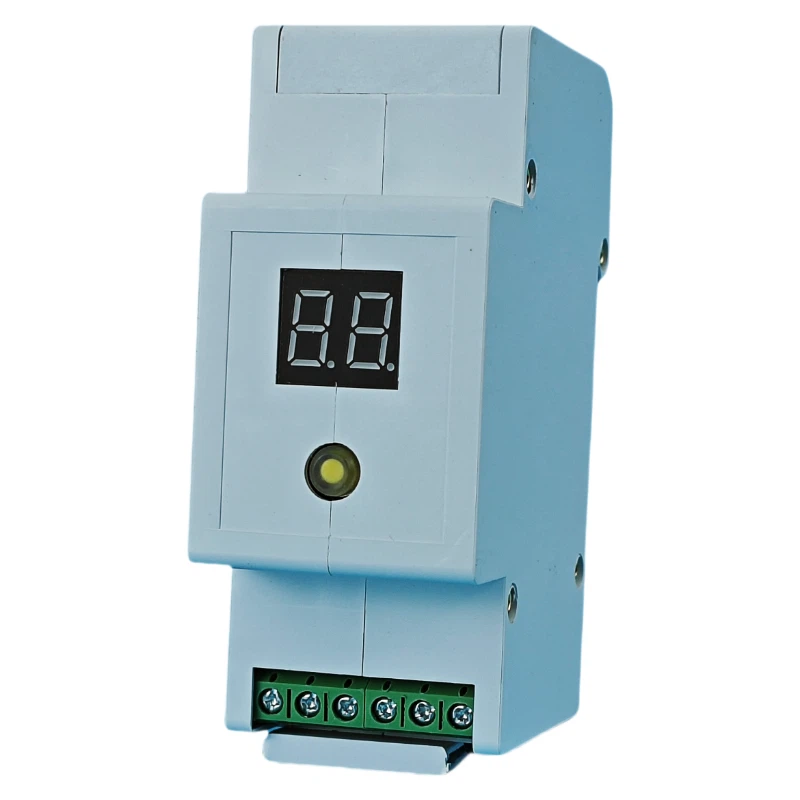
One of the simplest ways to expand the storage capacity is to use an external storage device. Some of our Passive Lightning Counter Module models are designed to be compatible with external memory cards. These cards come in various capacities, ranging from a few gigabytes to several terabytes. All you have to do is insert the card into the designated slot on the counter, and it'll start using the extra space right away. It's like giving your counter a big ol' backpack to carry all its data!
Another option is to upgrade the internal storage of the counter itself. Now, this might be a bit more technical, and it's not something that everyone can do on their own. But if you're handy with electronics or you have a tech - savvy friend, it's definitely worth considering. You'll need to find a suitable replacement storage chip that's compatible with your counter's hardware. Make sure to do your research and double - check the specifications before making a purchase.
When you're looking at expanding the storage, it's also important to think about the data management system. You don't just want to cram more data into the counter; you also need to be able to access and analyze it effectively. Some of our counters come with built - in software that allows you to manage the data easily. You can set up automated backups to the external storage, which is a great way to prevent data loss. And if you're dealing with a large amount of data, you can use the software to sort and filter the information based on different criteria, like the time of the strike or the intensity.
Now, let's talk about the importance of choosing the right storage media. Not all storage devices are created equal, especially when it comes to reliability. You want a storage solution that can withstand the environmental conditions where the counter is located. For example, if the counter is placed outdoors, it might be exposed to extreme temperatures, humidity, and even vibrations. In such cases, a solid - state drive (SSD) can be a better choice than a traditional hard - disk drive (HDD). SSDs are more durable, have no moving parts, and can operate over a wider range of temperatures.
If you're using an external storage device, make sure to keep it in a safe and protected place. You can use a waterproof and shock - resistant case to safeguard the device from any potential damage. And don't forget to regularly check the connection between the counter and the storage device to ensure that data transfer is happening smoothly.
Another thing to consider is the power consumption of the storage expansion. Adding more storage can increase the power requirements of the counter. This might not be a big deal if the counter is connected to a reliable power source, but if it's running on batteries, you'll need to be more careful. You might want to look for low - power storage options or consider upgrading the battery capacity if necessary.
It's also a good idea to keep an eye on the firmware of your passive lightning counter. Manufacturers often release updates that can improve the performance and storage management of the device. These updates can sometimes include features that optimize the use of the storage space or add support for new storage technologies. Make sure to check the manufacturer's website regularly for any available updates and follow the instructions carefully when installing them.
In addition to expanding the physical storage, you can also look into data compression techniques. Some software can compress the lightning strike data without losing too much important information. This way, you can store more data in the same amount of space. It's like packing your suitcase more efficiently!
Finally, I want to stress the importance of testing the expanded storage setup. Before relying on the new storage capacity for long - term data collection, run some tests to make sure that everything is working as expected. Try storing a small amount of data and then retrieving it to check for any errors. This will give you peace of mind and ensure that you won't lose any valuable lightning strike data.
If you're interested in expanding the storage capacity of your passive lightning counter or if you have any questions about our Passive Lightning Counter Module, we're here to help. Our team of experts can provide you with more detailed advice and guidance based on your specific needs. Whether you're a researcher, a safety manager, or just someone who wants to keep track of lightning strikes in your area, we have the solutions to meet your requirements. So, don't hesitate to get in touch with us for a chat about your storage expansion needs and to discuss potential purchasing options.
References
- General knowledge about electronics and storage technologies.
- Experience and product knowledge from being a passive lightning counter supplier.