


When it comes to safeguarding critical infrastructure and ensuring the safety of personnel, understanding the lifespan of a passive lightning counter is of utmost importance. As a leading supplier of passive lightning counters, I am often asked about the durability and longevity of these essential devices. In this blog post, I will delve into the factors that influence the lifespan of a passive lightning counter and provide insights into how long you can expect these devices to last.
Understanding Passive Lightning Counters
Before we discuss the lifespan of a passive lightning counter, it's essential to understand what these devices are and how they work. A passive lightning counter is a simple yet effective device designed to record the number of lightning strikes in a specific area. Unlike active lightning detection systems, which use complex sensors and algorithms to detect and locate lightning strikes in real-time, passive lightning counters rely on mechanical or electronic components to record the occurrence of lightning strikes.
One of the most common types of passive lightning counters is the magnetic field-based counter. These counters use a coil of wire to detect the magnetic field generated by a lightning strike. When a lightning strike occurs, the magnetic field induces an electric current in the coil, which is then recorded by the counter. Another type of passive lightning counter is the piezoelectric-based counter, which uses a piezoelectric crystal to detect the mechanical vibrations generated by a lightning strike.
Factors Affecting the Lifespan of a Passive Lightning Counter
Several factors can influence the lifespan of a passive lightning counter. These factors include the quality of the materials used in the construction of the counter, the environmental conditions in which the counter is installed, and the frequency of lightning strikes in the area.
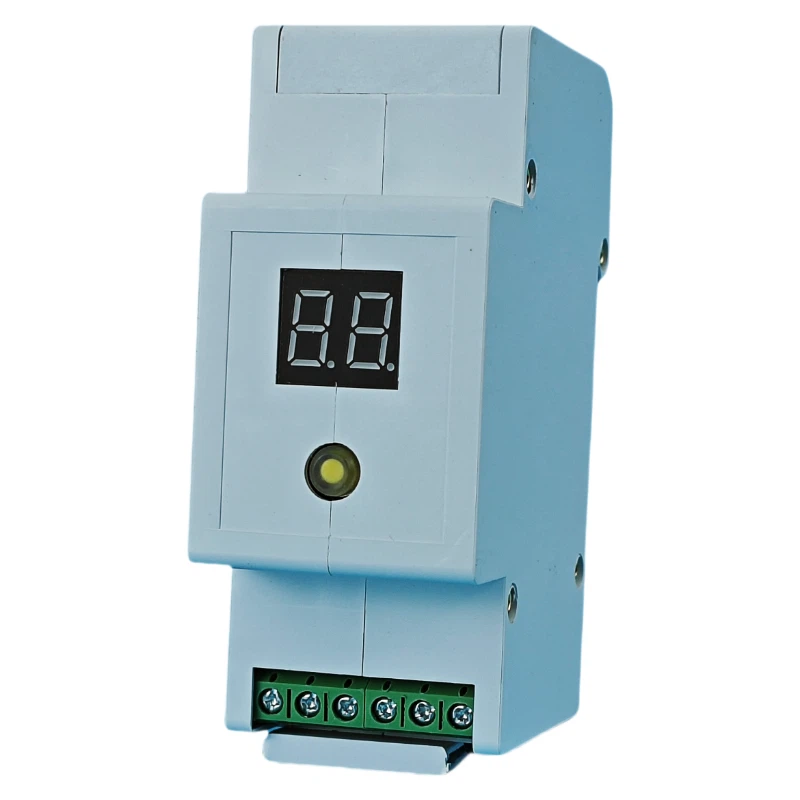
Quality of Materials
The quality of the materials used in the construction of a passive lightning counter is one of the most critical factors affecting its lifespan. High-quality materials are more durable and resistant to wear and tear, which can extend the lifespan of the counter. For example, a counter made with a high-quality coil of wire and a robust housing is more likely to withstand the harsh environmental conditions and mechanical stress associated with lightning strikes.
Environmental Conditions
The environmental conditions in which a passive lightning counter is installed can also have a significant impact on its lifespan. Counters installed in harsh environments, such as areas with high humidity, extreme temperatures, or exposure to saltwater, are more likely to experience corrosion and other forms of damage. Additionally, counters installed in areas with high levels of electromagnetic interference (EMI) may experience false readings or malfunctions, which can reduce their lifespan.
Frequency of Lightning Strikes
The frequency of lightning strikes in the area where a passive lightning counter is installed is another important factor affecting its lifespan. Counters installed in areas with a high frequency of lightning strikes are more likely to experience wear and tear on their components, which can reduce their lifespan. Additionally, counters that are exposed to multiple lightning strikes in a short period of time may experience damage or failure due to the high levels of energy associated with these strikes.
Typical Lifespan of a Passive Lightning Counter
The typical lifespan of a passive lightning counter can vary depending on the factors discussed above. In general, a high-quality passive lightning counter can last anywhere from 5 to 10 years or more. However, it's important to note that this is just a rough estimate, and the actual lifespan of a counter may be shorter or longer depending on the specific conditions in which it is installed.
For example, a counter installed in a relatively mild environment with a low frequency of lightning strikes may last longer than a counter installed in a harsh environment with a high frequency of lightning strikes. Additionally, counters that are properly maintained and serviced on a regular basis are more likely to last longer than counters that are neglected.
Extending the Lifespan of a Passive Lightning Counter
While the lifespan of a passive lightning counter is influenced by several factors, there are several steps you can take to extend the lifespan of these devices. These steps include:
Choosing a High-Quality Counter
As mentioned earlier, the quality of the materials used in the construction of a passive lightning counter is one of the most critical factors affecting its lifespan. When choosing a counter, it's important to choose a high-quality product from a reputable manufacturer. Look for counters that are made with high-quality materials and have a proven track record of reliability.
Proper Installation
Proper installation is another important factor in extending the lifespan of a passive lightning counter. Counters should be installed in a location that is protected from the elements and away from sources of EMI. Additionally, counters should be installed according to the manufacturer's instructions to ensure that they are properly grounded and connected.
Regular Maintenance
Regular maintenance is essential for extending the lifespan of a passive lightning counter. Counters should be inspected on a regular basis to check for signs of wear and tear, corrosion, or other damage. Additionally, counters should be cleaned and lubricated as needed to ensure that they are functioning properly.
Replacement of Components
Over time, the components of a passive lightning counter may wear out or become damaged. When this happens, it's important to replace these components as soon as possible to prevent further damage to the counter. Many manufacturers offer replacement components for their counters, which can be easily installed by a qualified technician.
Conclusion
In conclusion, the lifespan of a passive lightning counter can vary depending on several factors, including the quality of the materials used in its construction, the environmental conditions in which it is installed, and the frequency of lightning strikes in the area. While a high-quality passive lightning counter can last anywhere from 5 to 10 years or more, it's important to take steps to extend the lifespan of these devices by choosing a high-quality product, installing it properly, performing regular maintenance, and replacing components as needed.
If you're in the market for a passive lightning counter, I encourage you to consider our Passive Lightning Counter Module. Our modules are made with high-quality materials and are designed to provide reliable and accurate lightning strike data for many years to come. If you have any questions or would like to discuss your specific needs, please don't hesitate to contact us. We look forward to working with you to ensure the safety and reliability of your critical infrastructure.