


In the realm of electrical power systems, the accurate measurement of current is of paramount importance for ensuring the safe and efficient operation of various electrical equipment. Split current transformers play a crucial role in this process, offering a convenient and reliable solution for current measurement. However, when operating in a noisy electrical environment, the performance of split current transformers can be significantly affected. As a leading supplier of split current transformers, we understand the challenges posed by such environments and are committed to providing high - quality products that can withstand these conditions.
Understanding Noisy Electrical Environments
A noisy electrical environment is characterized by the presence of unwanted electrical signals or interference. These can arise from a variety of sources, including electromagnetic interference (EMI) from nearby electrical machinery, radio - frequency interference (RFI) from communication devices, and power surges or transients in the electrical network. The interference can manifest as random fluctuations, spikes, or continuous background noise in the electrical signals, which can disrupt the normal operation of electrical equipment and affect the accuracy of current measurement.
For instance, in industrial settings, large motors, generators, and welding equipment can generate strong electromagnetic fields that can interfere with the operation of current transformers. In addition, power distribution networks may experience voltage sags, swells, and harmonics, which can also introduce noise into the electrical signals.
How Split Current Transformers Work
Before delving into how split current transformers perform in noisy environments, it is essential to understand their basic working principle. A split current transformer is a type of current transformer that can be easily installed around an existing conductor without the need to disconnect the conductor. It consists of a magnetic core that is split into two halves, allowing it to be clamped around the conductor. When an alternating current (AC) flows through the conductor, it creates a magnetic field around the conductor. The magnetic core of the split current transformer captures this magnetic field and induces a proportional current in its secondary winding. This secondary current can then be measured and used to determine the magnitude of the primary current.
Performance Challenges in Noisy Electrical Environments
In a noisy electrical environment, split current transformers face several performance challenges:
1. Accuracy Degradation
The electromagnetic interference and other noise sources can introduce errors in the measurement of the secondary current. The noise can add to the induced secondary current, causing the measured value to deviate from the actual primary current value. This can lead to inaccurate readings, which can have serious implications for power monitoring, energy management, and protection systems.
2. Signal - to - Noise Ratio (SNR)
The SNR is a measure of the strength of the desired signal (the induced secondary current) compared to the strength of the background noise. In a noisy environment, the background noise can increase, reducing the SNR. A low SNR can make it difficult for the measuring equipment to distinguish the desired signal from the noise, further affecting the accuracy of the measurement.
3. Saturation and Over - current Effects
Electrical noise can sometimes cause the magnetic core of the split current transformer to saturate. Saturation occurs when the magnetic field in the core reaches its maximum capacity, and further increases in the primary current do not result in a proportional increase in the secondary current. This can lead to distorted output signals and inaccurate current measurements. Additionally, power surges and transients associated with noise can cause over - current conditions in the transformer, which can damage the device over time.
Our Solutions for Noisy Environments
As a split current transformer supplier, we have developed several strategies to enhance the performance of our transformers in noisy electrical environments:
1. High - Quality Magnetic Cores
We use high - quality magnetic materials in the construction of our split current transformers. These materials have excellent magnetic properties, such as high permeability and low coercivity, which help to reduce the effects of electromagnetic interference. The high - quality cores can better capture the magnetic field generated by the primary current while minimizing the influence of external magnetic fields.

2. Shielding
To protect the transformer from electromagnetic and radio - frequency interference, we incorporate shielding into our designs. The shielding is typically made of conductive materials, such as copper or aluminum, which can absorb and redirect the interfering signals. This helps to improve the SNR and reduce the impact of noise on the measurement accuracy.
3. Signal Filtering
Our split current transformers are equipped with signal filtering circuits. These circuits can remove the high - frequency noise components from the secondary current signal, allowing only the desired low - frequency signal (corresponding to the primary current) to pass through. This helps to improve the accuracy of the measurement by reducing the interference caused by high - frequency noise sources.
Product Showcase
We offer a wide range of split current transformers that are designed to perform well in noisy electrical environments.
The DP Split Current Transformer is one of our flagship products. It features a robust design and advanced shielding technology, making it highly resistant to electromagnetic interference. It is suitable for a variety of applications, including industrial power monitoring and distribution systems.
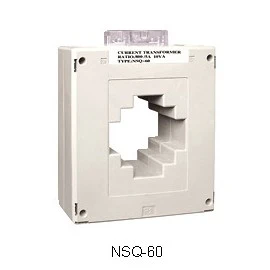
The MSQ Current Transformer is another popular choice. With its high - quality magnetic core and signal filtering capabilities, it can provide accurate current measurements even in the most challenging noisy environments. It is often used in smart grid applications and energy management systems.
The XD1type Casting Transformer is known for its excellent insulation properties and resistance to power surges. This makes it ideal for use in environments where there are frequent voltage fluctuations and transients.
Real - World Applications and Success Stories
Our split current transformers have been successfully deployed in many real - world applications. For example, in a large manufacturing plant with numerous high - power electrical equipment, our DP Split Current Transformers were installed to monitor the current consumption of different production lines. Despite the high level of electromagnetic interference generated by the machinery, the transformers were able to provide accurate and reliable current measurements. This allowed the plant management to optimize their energy usage and identify potential electrical faults in a timely manner.
In a smart grid project, the MSQ Current Transformers were used to measure the current flowing through the distribution lines. The transformers' ability to perform well in the presence of radio - frequency interference and power harmonics ensured the accurate collection of power data, which was crucial for the efficient operation and management of the grid.
Conclusion
Operating in a noisy electrical environment presents significant challenges for split current transformers. However, with the right design and technology, these challenges can be overcome. As a split current transformer supplier, we are dedicated to providing high - performance products that can meet the needs of our customers in even the most demanding electrical environments.
If you are in need of reliable split current transformers for your electrical systems, especially in noisy environments, we invite you to contact us for a detailed discussion about your requirements. Our team of experts will be happy to assist you in selecting the most suitable products for your specific applications.
References
- [Author's Name]. Electrical Power Systems: Principles and Applications. [Publisher], [Year].
- [Author's Name]. Electromagnetic Interference and Compatibility Handbook. [Publisher], [Year].
- [Author's Name]. Current Transformers: Theory and Practice. [Publisher], [Year].