


Lightning surges are a significant threat to electrical systems and electronic equipment. These sudden, intense bursts of electrical energy can cause extensive damage, leading to costly repairs, downtime, and potential safety hazards. As a leading supplier of structure surge protectors, we understand the importance of effective surge protection and are committed to providing high-quality solutions to safeguard your valuable assets. In this blog post, we will explore how structure surge protectors work to protect against lightning surges and why choosing the right surge protector is crucial for your electrical systems.
Understanding Lightning Surges
Lightning is a natural phenomenon that occurs when there is a buildup of electrical charge in the atmosphere. When the electrical potential difference becomes large enough, a lightning bolt is formed, which can carry an enormous amount of energy. When lightning strikes a power line or a nearby structure, it can generate a surge of electrical energy that travels through the electrical system. This surge can be thousands or even millions of volts, far exceeding the normal operating voltage of electrical equipment.
Lightning surges can cause a variety of problems, including:

- Equipment Damage: The high voltage and current associated with lightning surges can damage sensitive electronic components, such as integrated circuits, transistors, and microprocessors. This can lead to equipment failure, data loss, and costly repairs.
- Fire and Explosion: In some cases, lightning surges can cause electrical fires or explosions. This can occur when the surge causes overheating in electrical wiring or equipment, leading to insulation breakdown and arcing.
- Power Outages: Lightning surges can also disrupt the normal operation of electrical systems, causing power outages. This can have a significant impact on businesses, hospitals, and other critical facilities.
How Structure Surge Protectors Work
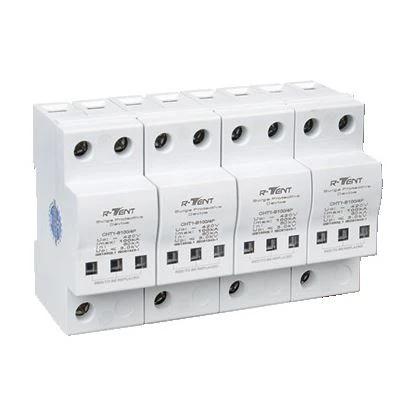
Structure surge protectors are designed to protect electrical systems and electronic equipment from the damaging effects of lightning surges. They work by diverting the excess electrical energy from the surge away from the protected equipment and into the ground. There are several different types of structure surge protectors, but they all operate on the same basic principle.
Surge Diverters
The most common type of structure surge protector is the surge diverter. Surge diverters are typically installed at the main electrical service entrance of a building or at the point where electrical equipment is connected to the power supply. They consist of a series of metal oxide varistors (MOVs) or gas discharge tubes (GDTs) that are connected in parallel with the electrical circuit.
When a lightning surge occurs, the voltage across the MOVs or GDTs increases rapidly. When the voltage reaches a certain threshold, the MOVs or GDTs become conductive and divert the excess electrical energy from the surge into the ground. This protects the electrical equipment from the high voltage and current associated with the surge.
Surge Suppressors
Surge suppressors are another type of structure surge protector that is commonly used to protect sensitive electronic equipment. Surge suppressors are typically installed at the point of use, such as at the outlet where a computer or other electronic device is plugged in. They work by using a combination of MOVs, GDTs, and capacitors to filter out the high-frequency components of the surge and reduce the voltage to a safe level.
Surge suppressors can provide additional protection against lightning surges by reducing the amount of electrical noise and interference that can affect the performance of electronic equipment. They can also help to prevent damage to equipment from small surges and voltage spikes that may occur during normal operation.
Choosing the Right Structure Surge Protector
Choosing the right structure surge protector is crucial for ensuring the effective protection of your electrical systems and electronic equipment. There are several factors to consider when selecting a surge protector, including:
- Surge Rating: The surge rating of a surge protector indicates the maximum amount of electrical energy that it can handle. It is important to choose a surge protector with a surge rating that is appropriate for the electrical system and equipment that you are protecting.
- Response Time: The response time of a surge protector refers to the time it takes for the surge protector to start diverting the excess electrical energy from the surge. A faster response time means that the surge protector can provide more effective protection against lightning surges.
- Number of Outlets: If you are using a surge protector to protect multiple electronic devices, it is important to choose a surge protector with enough outlets to accommodate all of your equipment.
- UL Listing: Look for surge protectors that are UL listed. UL listing indicates that the surge protector has been tested and meets the safety standards set by Underwriters Laboratories.
Our Structure Surge Protector Products
As a leading supplier of structure surge protectors, we offer a wide range of high-quality surge protection products to meet the needs of our customers. Our products include:
- CHT1-B60KA Surge Protection Device: This surge protection device is designed for use in residential and commercial applications. It has a surge rating of 60kA and provides reliable protection against lightning surges and other electrical disturbances.
- CHT1-B100KA Surge Protection Device: This high-capacity surge protection device is suitable for use in industrial and critical applications. It has a surge rating of 100kA and offers superior protection against severe lightning surges.
- CHT1-B80KA Surge Protection Device: This surge protection device is a popular choice for both residential and commercial customers. It has a surge rating of 80kA and provides excellent protection against lightning surges and other electrical transients.
Conclusion
Lightning surges can pose a significant threat to electrical systems and electronic equipment. Structure surge protectors are an essential component of any electrical protection strategy, providing reliable protection against the damaging effects of lightning surges. By understanding how structure surge protectors work and choosing the right surge protector for your needs, you can ensure the safety and reliability of your electrical systems and electronic equipment.
If you are interested in learning more about our structure surge protector products or would like to discuss your specific surge protection needs, please feel free to contact us. Our team of experts is available to provide you with the information and support you need to make an informed decision. Protect your valuable assets from lightning surges with our high-quality surge protection solutions.
References
- IEEE C62.41.2-2002, “IEEE Recommended Practice on Characterization of Surges in Low-Voltage (1000 V and Less) AC Power Circuits”.
- UL 1449, “Standard for Surge Protective Devices”.
- IEC 61643-11:2011, “Low-voltage surge protective devices - Part 11: Surge protective devices connected to low-voltage power systems - Requirements and tests”.