


Can a passive lightning counter be used in construction sites?
Lightning is a natural phenomenon that poses significant risks to various aspects of human activities, including construction sites. Construction sites are often characterized by large open areas, tall structures, and the presence of heavy machinery and electrical equipment. These factors make them particularly vulnerable to lightning strikes, which can lead to property damage, equipment failure, and even endanger the lives of workers. In recent years, the use of passive lightning counters has emerged as a potential solution to monitor and manage lightning risks at construction sites. In this blog, as a supplier of passive lightning counters, I will explore the feasibility and benefits of using these devices in construction environments.
Understanding Passive Lightning Counters
Before delving into their applicability in construction sites, it's essential to understand what passive lightning counters are. A passive lightning counter is a device designed to detect and record the occurrence of lightning strikes in a given area. Unlike active lightning detection systems that require a power source and complex electronics to actively search for lightning signals, passive lightning counters operate without an external power supply. They rely on the energy from the lightning strike itself to trigger a counting mechanism.
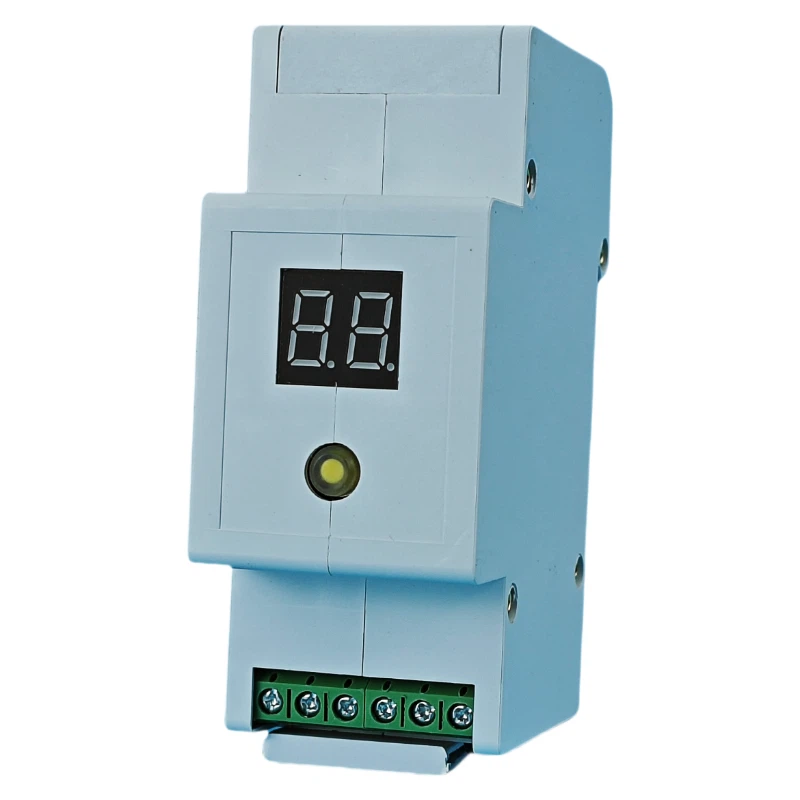
The Passive Lightning Counter Module is a prime example of such a device. It is a compact, cost - effective solution that can be easily installed on various structures. The module typically consists of a sensor that can detect the electromagnetic pulse generated by a lightning strike. Once a strike is detected, the counter increments, providing a simple and reliable way to keep track of lightning activity over time.
The Need for Lightning Monitoring in Construction Sites
Construction sites are exposed to a variety of lightning - related risks. Tall cranes, scaffolding, and partially constructed buildings act as lightning attractors. A single lightning strike can cause severe damage to electrical systems, such as power distribution panels, control systems of machinery, and communication equipment. This not only leads to costly repairs but also causes significant downtime, delaying project schedules.
Moreover, lightning strikes can pose a direct threat to the safety of workers. If a worker is in contact with a conductive object, such as metal tools or equipment, during a lightning strike, they are at risk of electrocution. According to safety regulations in many countries, construction companies are required to implement measures to protect workers from lightning hazards. Monitoring lightning activity is a crucial part of these safety protocols.
Advantages of Using Passive Lightning Counters in Construction Sites
- Cost - effectiveness: Passive lightning counters are relatively inexpensive compared to active lightning detection systems. They do not require a continuous power supply, which eliminates the need for wiring and reduces installation costs. For construction projects with tight budgets, this makes them an attractive option for lightning monitoring.
- Ease of installation: These devices are typically small and lightweight, making them easy to install on various structures at construction sites. They can be mounted on cranes, rooftops of temporary buildings, or other elevated points without the need for complex installation procedures. This means that construction teams can quickly deploy the counters without significant disruption to ongoing work.
- Reliability: Passive lightning counters have a simple design with fewer components, which reduces the likelihood of mechanical or electrical failures. They can operate in harsh environmental conditions, such as high humidity, dust, and extreme temperatures, which are common at construction sites. This reliability ensures that the lightning activity is accurately recorded over an extended period.
- Data collection: By recording the number of lightning strikes, construction managers can analyze the lightning patterns in the area. This data can be used to identify high - risk periods and take preventive measures, such as halting work during peak lightning activity. Over time, the data can also be used to evaluate the effectiveness of lightning protection measures implemented at the site.
Practical Considerations for Using Passive Lightning Counters in Construction Sites
While passive lightning counters offer many advantages, there are also some practical considerations that need to be taken into account.
- Placement: The effectiveness of a passive lightning counter depends on its placement. It should be installed at a location where it has a clear line of sight to the surrounding area and is not shielded by other structures. For example, mounting the counter on top of a crane or a tall building can provide a better view of the area and increase the chances of detecting lightning strikes.
- Maintenance: Although passive lightning counters are relatively low - maintenance, they still require periodic checks to ensure proper operation. The sensor may need to be cleaned to remove dust and debris, and the counter mechanism should be inspected for any signs of damage.
- Range of detection: Passive lightning counters have a limited range of detection. The distance at which they can detect a lightning strike depends on the strength of the electromagnetic pulse generated by the strike and the sensitivity of the sensor. Construction managers need to be aware of this limitation and may need to install multiple counters at different locations to cover a large construction site.
Integrating Passive Lightning Counters into Construction Safety Plans
To fully utilize passive lightning counters in construction sites, they should be integrated into a comprehensive safety plan. Here are some steps that construction companies can take:
- Initial assessment: Before installing the counters, conduct a site - specific assessment of lightning risks. Identify the areas most likely to be affected by lightning strikes and determine the optimal locations for counter placement.
- Training: Provide training to construction workers and managers on the importance of lightning safety and how to interpret the data from the passive lightning counters. Workers should be aware of the actions to take when the counter indicates a high level of lightning activity, such as seeking shelter in a designated safe area.
- Response protocols: Develop clear response protocols based on the lightning data. For example, if the counter records a certain number of strikes within a short period, work should be stopped, and workers should be evacuated to a safe location.
- Regular review: Regularly review the lightning data collected by the counters and evaluate the effectiveness of the safety measures. Make adjustments to the safety plan as needed based on the analysis of the data.
Case Studies
Several construction projects have successfully implemented passive lightning counters. For instance, a large - scale bridge construction project in a region prone to thunderstorms installed passive lightning counters on the cranes and the bridge piers. By monitoring the lightning activity, the project team was able to identify high - risk periods and schedule work accordingly. This not only reduced the risk of lightning - related accidents but also minimized downtime due to equipment damage.
In another case, a high - rise building construction site used passive lightning counters to comply with local safety regulations. The data collected by the counters was used to demonstrate to regulatory authorities that the company was taking appropriate measures to protect workers from lightning hazards. This helped the project avoid potential fines and delays.
Conclusion
In conclusion, passive lightning counters are a valuable tool for construction sites. Their cost - effectiveness, ease of installation, and reliability make them a practical solution for monitoring lightning activity. By providing accurate data on lightning strikes, these devices help construction companies manage lightning - related risks, protect workers, and ensure the smooth progress of projects.
If you are involved in a construction project and are interested in learning more about how passive lightning counters can benefit your site, we encourage you to reach out to us. Our team of experts can provide you with detailed information about our Passive Lightning Counter Module and help you develop a customized lightning monitoring solution for your specific needs. Contact us today to start a discussion about procurement and how we can work together to enhance the safety and efficiency of your construction project.
References
- Lightning Safety Institute. (2023). Lightning safety guidelines for construction sites.
- National Fire Protection Association. (2022). NFPA 780: Standard for the installation of lightning protection systems.
- International Electrotechnical Commission. (2021). IEC 62305: Protection against lightning.