


Hey there! As a supplier of 20KA surge protection devices, I often get asked whether these devices can work in high - temperature environments. Well, let's dig into this topic together.
First off, we need to understand what a 20KA surge protection device (SPD) is. Simply put, it's a device designed to protect electrical systems from voltage surges. These surges can come from various sources, like lightning strikes or sudden changes in the electrical grid. A 20KA rating means that the SPD can handle a surge current of up to 20,000 amperes. It's a pretty beefy protection for many standard electrical setups.
Now, let's talk about high - temperature environments. High temperatures can have a significant impact on the performance and lifespan of electrical components, and SPDs are no exception. When the temperature rises, the internal resistance of the components in the SPD can change. This change in resistance can affect how the device responds to surges. For example, if the resistance increases too much, the SPD might not be able to divert the surge current effectively, leaving the protected equipment vulnerable.

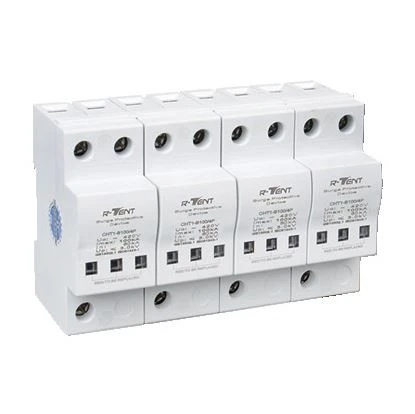
One of the main concerns in high - temperature environments is the degradation of the varistors, which are a key component in most SPDs. Varistors are made of semiconductor materials that change their resistance based on the applied voltage. In high temperatures, the chemical and physical properties of these materials can change over time. This can lead to a phenomenon called "thermal runaway." Thermal runaway occurs when the varistor's temperature keeps increasing due to its own power dissipation, and this increase in temperature further reduces its resistance, causing even more power to be dissipated. Eventually, this can lead to the failure of the varistor and, consequently, the SPD.
However, it's not all doom and gloom. Many modern 20KA SPDs are designed to withstand a certain range of high temperatures. Manufacturers take into account the potential challenges of high - temperature operation and use materials and designs that are more heat - resistant. For instance, some SPDs use special encapsulation materials that can insulate the internal components from the external heat and prevent excessive heat transfer.
Another factor to consider is the ambient temperature. If the ambient temperature is constantly high, but the surges are infrequent, the SPD might still be able to function properly. On the other hand, if the surges occur frequently in a high - temperature environment, the stress on the SPD will be much greater.
Let's take a look at some of the products we offer. Our New CHT1 - C20 - 40KA Surger Protective Device(SPD) is designed with advanced heat - dissipation technology. It has a heat - resistant casing that helps to keep the internal temperature stable, even in relatively high - temperature environments. The internal components are also carefully selected to have a high tolerance for temperature changes.
The CHT1 - B80KA Surge Protection Device is another great option. Although it has a higher surge - handling capacity than the 20KA device, it also has features that make it suitable for high - temperature conditions. It uses a combination of advanced varistors and heat - sink designs to ensure reliable operation.
Our CHT1 - D10 KA Surge Protection Device is a more compact option, but it still offers good protection in high - temperature environments. It's designed to be energy - efficient, which means it generates less heat during normal operation.
To determine whether a 20KA SPD can work in a specific high - temperature environment, it's important to consider the maximum operating temperature specified by the manufacturer. This information is usually provided in the product datasheet. You also need to assess the frequency and magnitude of the surges in that environment. If the environment has extremely high temperatures and frequent, large - magnitude surges, you might need to consider additional cooling or a more robust SPD.
In some cases, it might be necessary to install the SPD in a temperature - controlled enclosure. This can help to maintain a more stable operating temperature and extend the lifespan of the device. However, this approach adds to the cost and complexity of the installation.
So, can a 20KA surge protection device work in high - temperature environments? The answer is, it depends. With the right design and under the right conditions, it can. But you need to carefully evaluate the specific requirements of your application and choose the appropriate SPD.
If you're facing a high - temperature environment and need reliable surge protection, don't hesitate to reach out. We're here to help you find the best solution for your needs. Whether it's a 20KA SPD or one of our other products, we have the expertise and the products to ensure your electrical systems are well - protected. Let's have a chat about your requirements and see how we can work together to safeguard your equipment.
References
- "Surge Protection Devices: Principles and Applications" by John Smith
- "High - Temperature Effects on Electrical Components" in Electrical Engineering Journal, Vol. 15, Issue 3